
Piercing cries, blood-dripping fangs, a sinister demeanor; bats are often perceived as dangerous beasts haunting the night.
But while they might look like tiny vampires, these flying animals aren’t eerie villains in search of destruction, but rather misunderstood creatures that play a vital role in our ecosystem, and they still have much to disclose about themselves.
In the city, there have been ongoing efforts to get acquainted with the surrounding bat population, especially at Richmond National Battlefield Park.
Home to 10 bat species, including the eastern red, hoary and state-endangered little brown bat, the park is a Chiroptera paradise. Despite this, not much was known about them here, but that changed eight years ago after researchers began surveying them.
“Information about our bat community had long been a data gap here at the park,” says Kristen Allen, the park’s integrated resources program manager. “We had wanted to know more in order to better protect them but lacked the funding to complete a study.”
Bat disease leads to studies
This soon changed after the notorious white-nose syndrome (WNS) caused significant declines in species like the northern long-eared, tricolored and little brown bats. The white fungus preys on hibernating bats in caves or mines, and since their body is shut down during this time, there’s no immune system to fight the disease off. “It essentially starves bats,” says Nicholas Kalen, a biologist who helped conduct the park’s surveys.
The disease’s impacts prompted funding for bat studies at National Park Service sites and were oriented toward assessing the status of WNS-imperiled species along the East Coast, especially in Virginia.
From 2016 to 2022, Kalen monitored the park’s bats using acoustic detectors to record echolocation (sound reflection) calls. Any captured noises were then put into software to help better identify species.
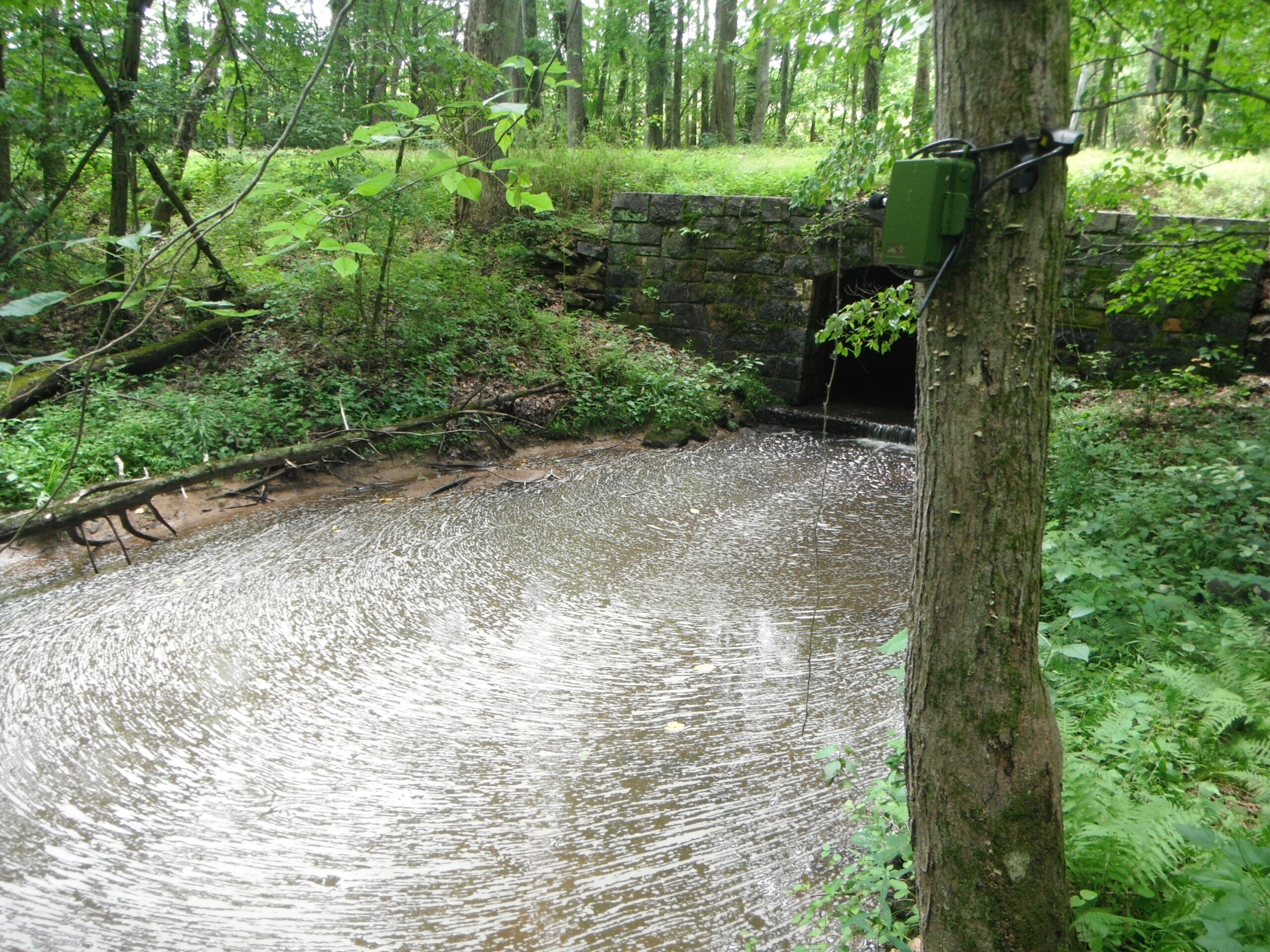
Large mist nets were also used which are a more reliable identification source. “We’d catch bats in mist nets set up in trails to identify with confidence,” he says. The bats were measured and weighed before being released.
Monitorings were originally held during the summer when bugs are most abundant and there was a better chance of observing these creatures in search of them. But a growing curiosity about bats wintering in Richmond grew, especially after it was discovered the federally endangered northern long-eared bat was starting to winter along the North Carolina coast. “We expanded efforts to see if [northern long-eared] bats were going to the Virginia coast and Richmond,” says Kalen.
The results showed that while this species didn’t appear to be wintering here, others, like the big brown bat, do hibernate locally – a process that begins in late fall.
Where to find the most bats
Richmond National Battlefield Park spans over 3,600 acres that are divided up into 13 units across the city and surrounding area. Bats were observed in all the sections but were most active in Cold Harbor, Gaines’ Mill, Fort Harrison and Beaver Dam Creek. North Anna also had high activity with tricolored bats.
Bats tend to prefer heterogenous forests and open landscapes that run along streams and water sources – something becoming increasingly difficult for them to find as land becomes more developed. At Richmond National Battlefield Park, there is a mix of agricultural and urbanized spots that combine to make suitable habitats.
Plenty of insects can also be found here during the summer, another reason why these insectivores occupy it. “There’s going to be a lot of bugs to forage,” says Kalen. “Having good insect populations [is important] for bats to live and thrive.” Depending on the species (each has its own taste preference), bigger bats will consume beetles and moths while smaller ones favor mosquitoes.
“They have a big effect on insect populations that most directly translate to less mosquitoes and spread of disease – something that bats can reduce,” says Kalen. “Having bats is important to keeping insect populations manageable.”
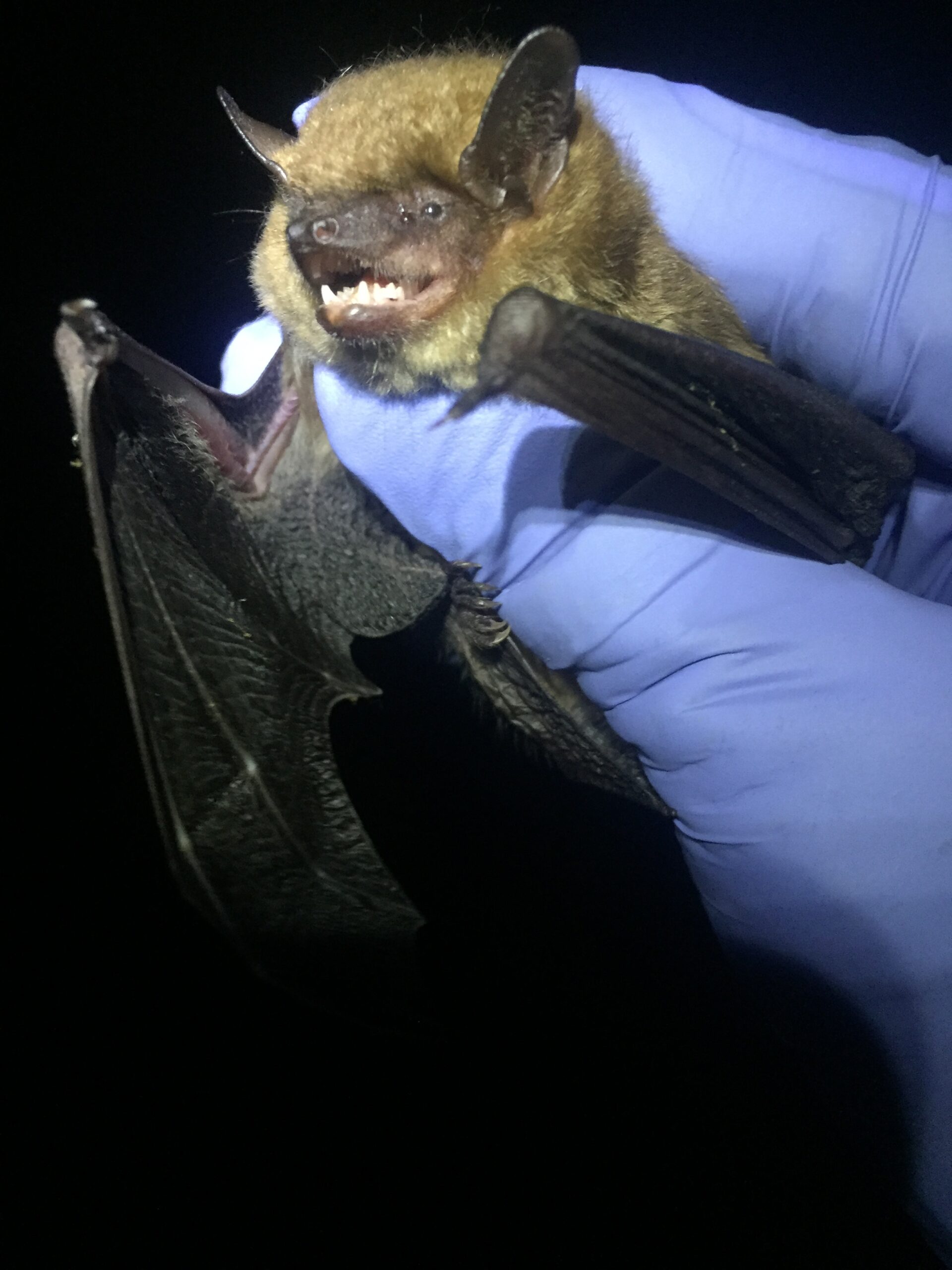
The big brown bat is most predominant here. Measuring about five inches long, this creature has a wingspan of around 16 inches and can fly up to 40 miles per hour. The species is particularly adaptable to urban environments and will utilize anthropogenic structures, like attics and culverts, to hibernate in.
Little brown bats, those heavily susceptible to WNS, have a decent presence as well.
“We had a lot of acoustic activity of little brown bats but we didn’t capture any in surveys,” says Kalen. “They’re very likely present in Richmond.”
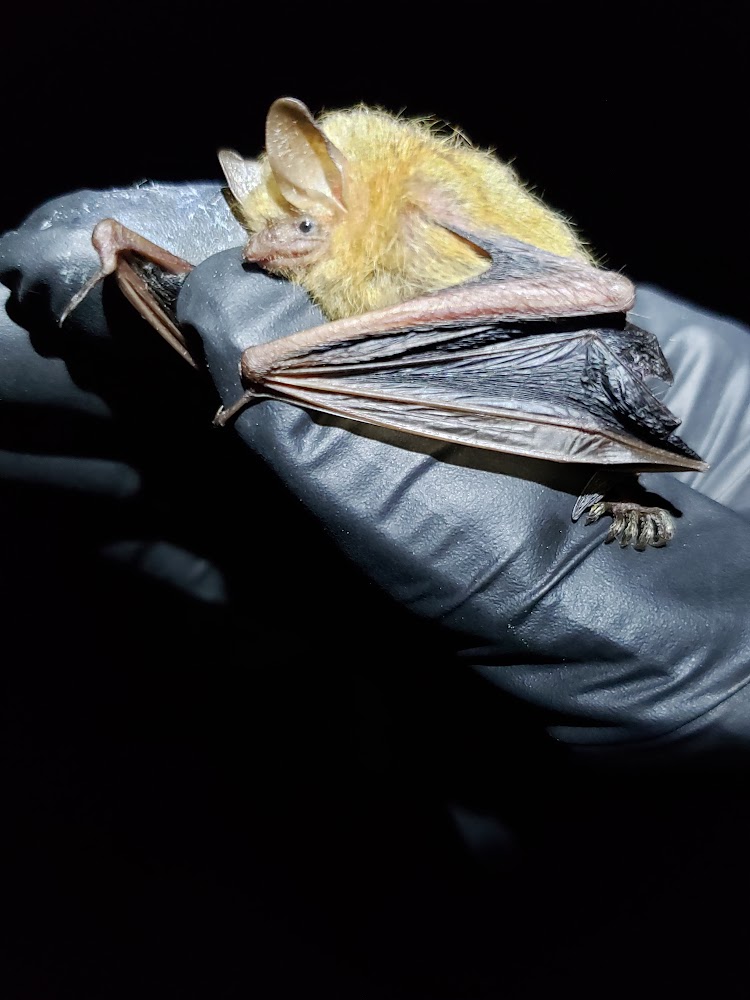
Tricolored bats, which could soon be listed under the Endangered Species Act, also probably call this land home. Named after their distinctive hair colorings, the bats weren’t captured during surveys, but there were quite a bit of reliable acoustic detections.
Richmond National Battlefield Park strives to respect its bats and leave them be, but if actions need to be taken, staff carefully considers how to best minimize impacts. If a hazardous tree needs to be removed, for instance, it will be done outside of their roosting period.
The park is also planning to demolish some modern house structures but is doing so in the best interest of these unique residents. “Knowing that bats sometimes roost or overwinter in basements and attics, we will complete the work in September or October to minimize any impact to bats,” says Allen. “Nick has been an incredible resource in this way, providing advice on how to plan our projects so that we can protect our bat populations.”
How you can help local bats
Thanks to these surveys, it has become clear that Richmond is a favored spot for countless bats and seems to be an important migratory pass-through. “We did find more than expected wintering in the area,” says Kalen.
As bats prepare for their upcoming lengthy slumber, there are still plenty of ways locals can aid them. If one finds a bat nestled within a home attic or structure, following correct removal practices (ideally done by a licensed professional) can ensure safe handling and release, especially if it’s an endangered or rare species.
Bat houses are also useful. The long roosting box can be attached to the side of a home or secured on a high wooden post in a yard – one that could potentially be a dwelling space for over 50 bats at a time. Creating a bat-friendly habitat nearby filled with pesticide-free night-blooming plants can attract bugs these animals will devour.
The next time a bat flutters above in the twilight, don’t be frightened, but instead admire, as the saying goes, these children of the night and the music they make.