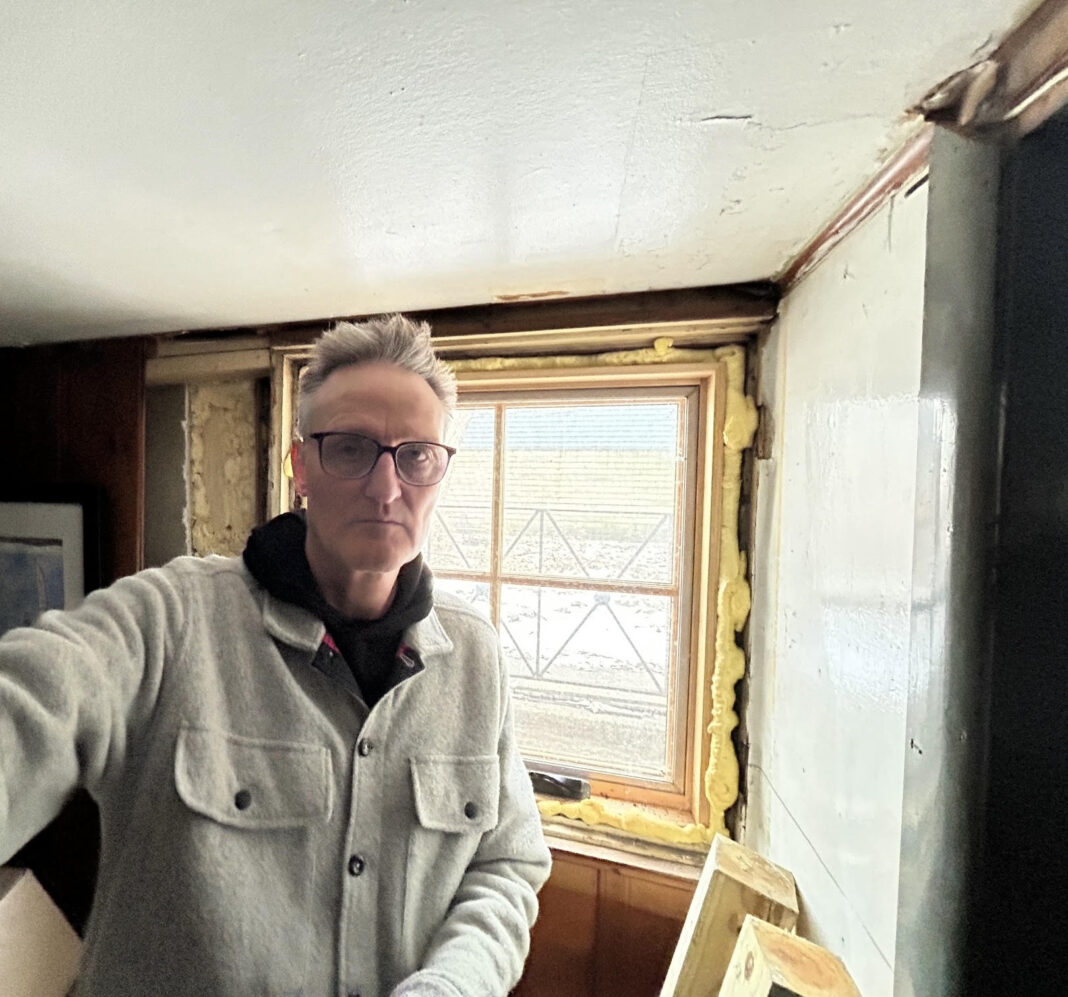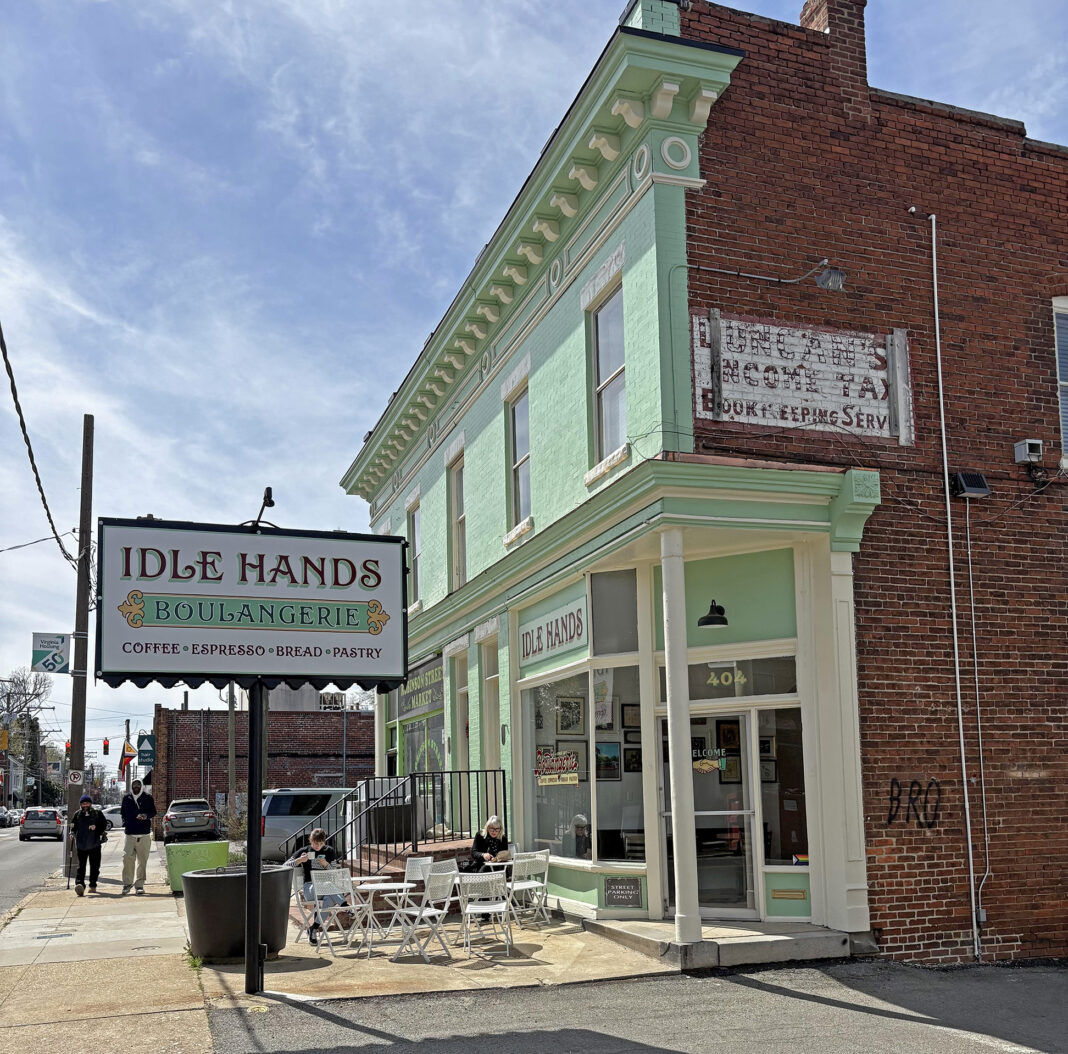
On March 8, local activist Christopher Maxwell sat in the Sunday worship service at Richmond Friends Meeting, the local congregation of Quakers. A slight, bespectacled man with a bemused and lopsided grin, Maxwell was happy to be there. His pale skin and thin hair poking out beneath a cap were the only outward signs of his 10-year battle with the cancers that had ravaged his body.
Near the end of meeting, when it was time for personal announcements, Maxwell rose. He did not mention the grim prognosis he recently received but instead said, if anyone was interested in talking about his plan “to save the world,” he was available after the meeting.
Because he was a serious man with a reputation for getting things done, people gathered around to listen and ask questions.
Maxwell, a pillar in Richmond’s progressive community, respected for his 30 years of activist work around social justice and environmental concerns, died March 18. He was 60.
He was most known for co-founding WRIR-LP (97.3 FM) an independent, all volunteer, nonprofit community public radio station serving the Richmond area. It is the largest low power FM station of its kind in the United States, according to the station’s website. He also helped create WRWK-FM (93.9), serving Chesterfield County and Richmond.
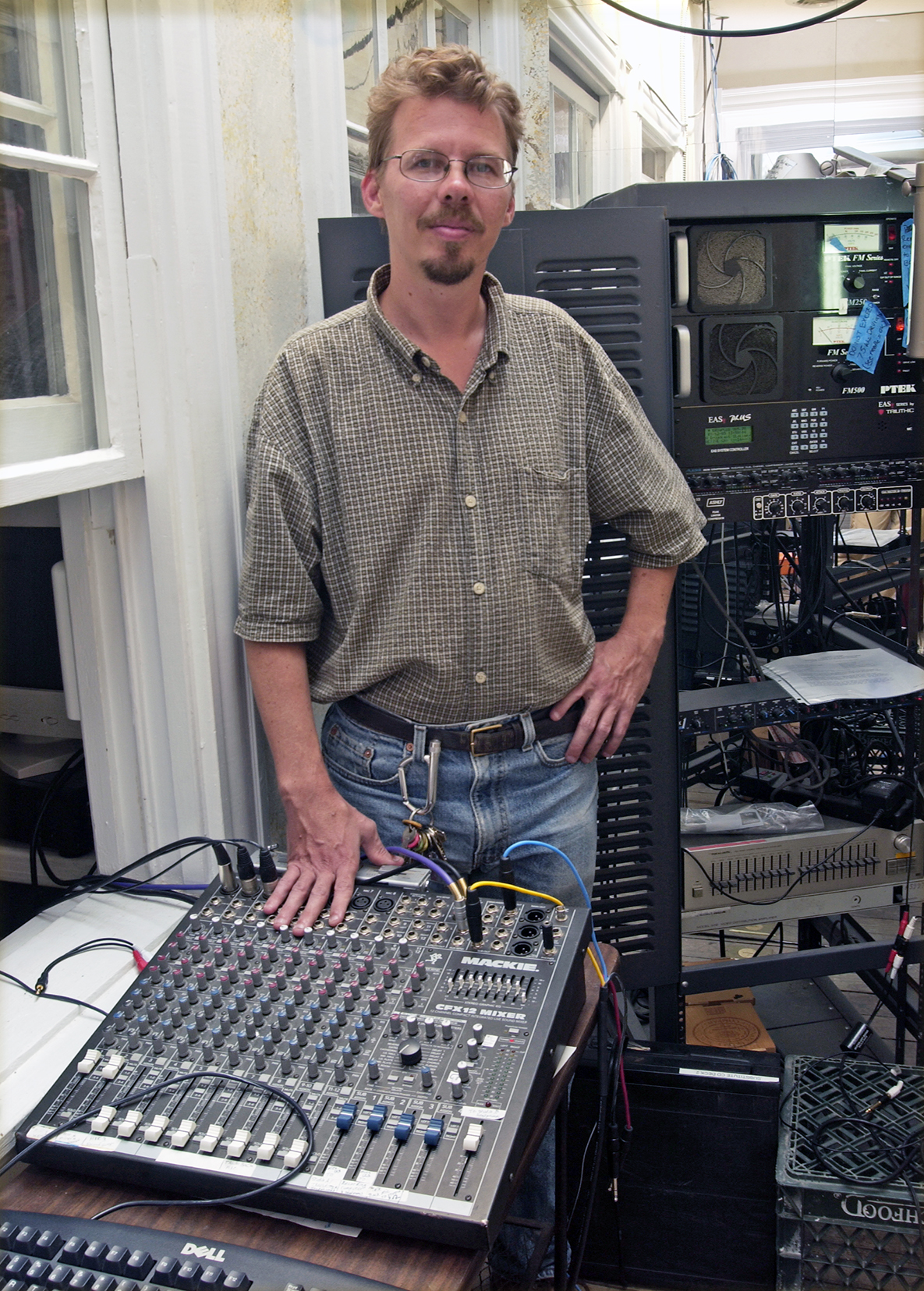
On March 18, Maxwell’s wife and close friend for 20 years, Rain Burroughs, announced on Facebook that he had “left this realm.” Social media instantly lit up with accolades and condolences, from Oregon Hill to Capitol Hill.
U.S. Senator Tim Kaine remembers Maxwell’s strong work ethic and determination to create independent public radio stations. “He was a joyous activist who made a big mark on our community. Chris will be missed.”
Kaine recalls that Maxwell was the spearhead of efforts to start independent radio in Richmond. “By fortunate coincidence, I served on a state and local government advisory committee of the [Federal Communications Commission] at the same time, and made the approval of low power community FM radio stations my top priority. We got the Clinton FCC to allow these stations.”
Not only did Maxwell, Kaine and others help make WRIR happen, they also created legislation that made independent low power radio public radio available nationally.
Ian Mouer was one of Maxwell’s close friends since the early 1990s, when they were students at Virginia Commonwealth University majoring in urban planning. He says it would be a mistake to remember “Max” only for his work to breathe life into independent radio.
“He was so much more than that — he was a visionary activist dedicated to social justice and building community — a man given to action and not just words.”
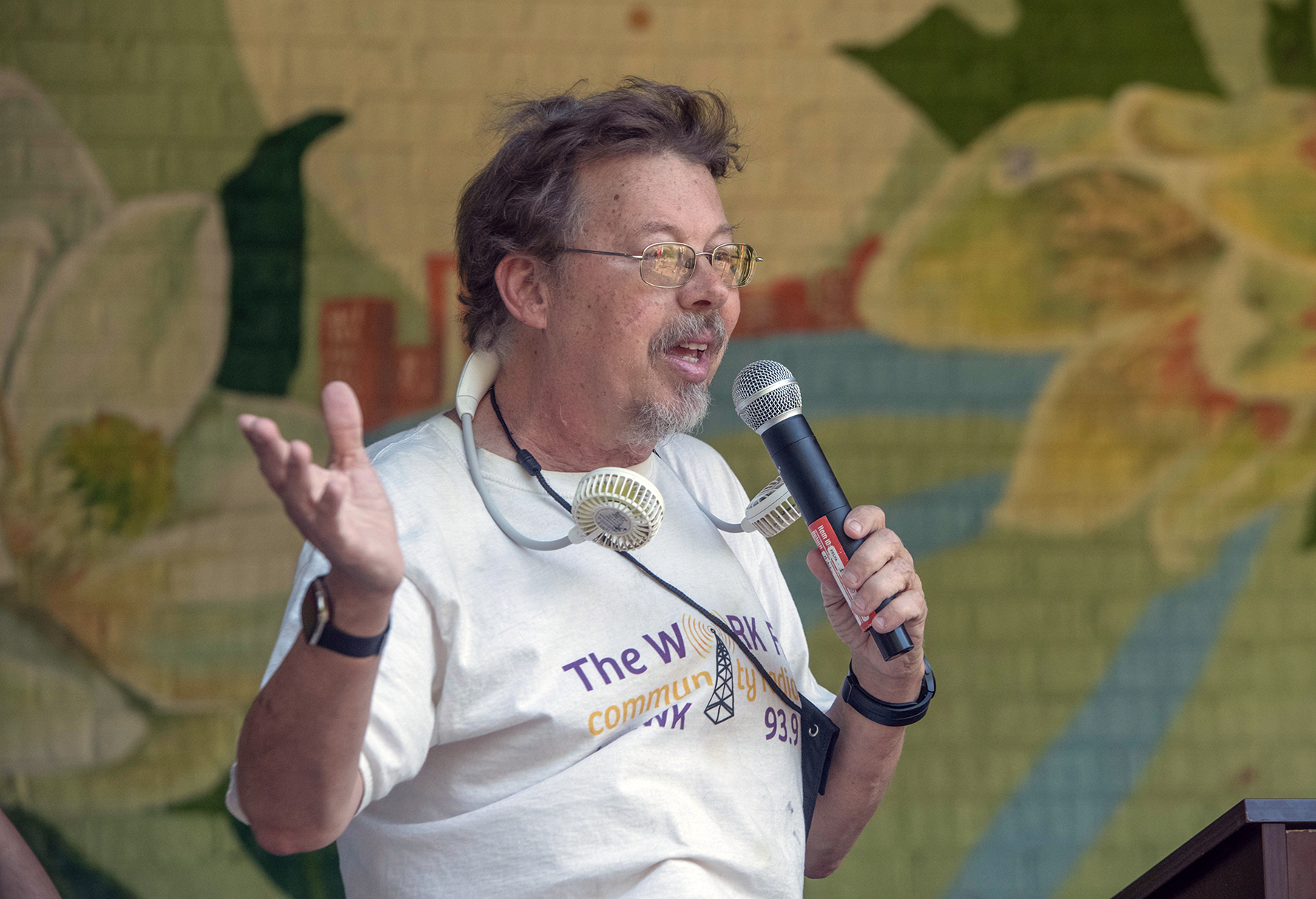
He notes that they started the recycling program at VCU, an effort that “made millions for the school” he says, and notes that Maxwell regularly attended and spoke at Burning Man Festivals (similar to TED Talks, but hipper) and “was a dedicated Trekkie.”
Mouer says his friend genuinely believed in the power of community building to change the world. He describes Maxwell as a man who had the “courage and quirky charisma” to get other people to understand his vision and inspire them to work to make it happen.
With regard to his love of community radio, Maxwell saw locally produced music, public affairs, news and talk programming that included women and other underrepresented voices as critical ways to improve local culture.
Maxwell’s true legacy says Mouer, was that “he always made sure you knew that you mattered — and because of that singular belief, Max mattered.”
A memorial service will be held at 11 a.m. on April 4 at Richmond Friends Meeting House, 4500 Kensington Ave. A Celebration of Life program will be held at the Byrd Theater at a date still to be determined.
***
Below is a sampling of remarks posted online and shared in interviews:
LESLIE RUBIO: “On Sunday (3/15), friends gathered to spend time with Chris. A spontaneous round of ‘All You Need is Love’ broke out, followed by ‘Here Comes the Sun’ […] Chris smiled and sang along with Rain, Ron Skinner, Sandy Shafer, and Jack & Audrie Trammel. Afterwards, Max lay back and rested. He requested, from me, a foot massage.” She was happy to oblige. She gently massaged his feet until he fell asleep.
CHARLES MCGUIGAN: “Max did more in his life for the betterment of all than a dozen men with the noblest of aspirations. He stamped an indelible imprint on the world he left behind, and very few mortals in the long history of our human race can make that claim. He worked tirelessly for justice … (he was) a fighter who stood up for the voiceless and the downtrodden.”
CHRIS DOVI: “He was a Renaissance man who could solve problems and apply solutions. Max could pass through walls and ford impossible brooks and streams to make things happen. He is a force of nature. Nobody had the power he did to go from an impossible idea to a tangible reality. And his ideas always had the greater good — and never himself — in mind.”