The following reading suggestions include new books by returning heavy hitters such as Catherine Lacey and Gary Shteyngart, as well as music-related titles, under-the-radar reprints and exciting contemporary fiction writers. Some came highly recommended, such as novelist Eric Puchner’s “Dream State” (local author Jessie Gaynor hosted him for series Author RVA at the ICA at VCU), while others came through formal introductions by writers such as Pulitzer finalist, Lucy Sante.
Reprints
These three new to me and, until now, hard to come by late 20th-century novels warm their way back on to reading lists for the extended shelf life they deserve.
“To Smithereens” by Rosalyn Drexler (Hagfish)
A renaissance woman of pop art and culture, Drexler — who is 98 years young at press time — cut her creative teeth in sculpture, painting, pulp fiction and award-winning screenplays for stage and film. She also had a stint in the ring as the professional female wrestler Rosa Carlo, or the Mexican Spitfire, later immortalized in a series of Andy Warhol silkscreen paintings. All of this context is vital to appreciating “To Smithereens” (later adapted for the big screen as “Below the Belt.”) As dated as this novel based on Drexler’s alter-ego Rosa Carlo seem today, her real-life experience as a woman working successfully in numerous male-nominated fields lends added nuance and subversion to the picaresque tale. It’s easy to recognize the talent at the core of the trailblazing path, and definitely worth celebrating today.
Correction: An earlier version of this story listed the incorrect publisher for “To Smithereens,” this edition is the first release for Hagfish.
“Tramps Like Us” by Joe Westmoreland (Farrar, Straus and Giroux)
Originally published in 2001, this autofictional coming-of-age tale details the exploits of its narrator, Joe, a queer Midwestern teenager, who flees his abusive home to hitchhike with fellow misfit, Ali, to New Orleans, and later San Francisco, in the years just before the AIDS epidemic. It’s easy to picture the Hollywood version of events, but “Tramps Like Us” is written with an unrehearsed candor that’s revelatory and stirring. Heaps of sex and recreational drug use, soundtracked by the burgeoning pulse of New Wave and disco across two legendary subcultural centers, proves ultimately incidental to the urgent intimacy for which Joe’s day-to-day is detailed; populated by loved ones he meets and loses along the way.
“Cigarettes” by Harry Mathews, with a new introduction by Lucy Sante (Dalky Archive Press)
When Lucy Sante — whose “I Heard Her Call My Name: A Memoir of Transition” was a finalist for last years’ Pulitzer Prize — writes an introduction, you read it. Then, invariably you read through whatever work she’s lent her name to. That’s how I found this 1987 novel by Matthews (which I’m still reading) that sent me down several tangential rabbit holes surrounding the Oulipo school of writers and mathematicians, of which Mathews was the only American member. Their works applied formal, constrained writing techniques as a rule; for instance, Italian novelist Italo Calvino’s “Mr. Palomar” is arranged in a Rubik’s Cube like 3x3x3 pattern. I already gave up on cracking the code employed in “Cigarettes” for risk of losing the plot; each chapter is named for a pair from the ensemble cast of 13 characters, keenly observed by a nameless narrator in this send up of ‘60s New York high society. An intricate web of relationships ripples by degrees and permutations; a winning formula for any saga. I’m hooked and gotta know who ends up with who, versus who ends up worm food.
Fiction
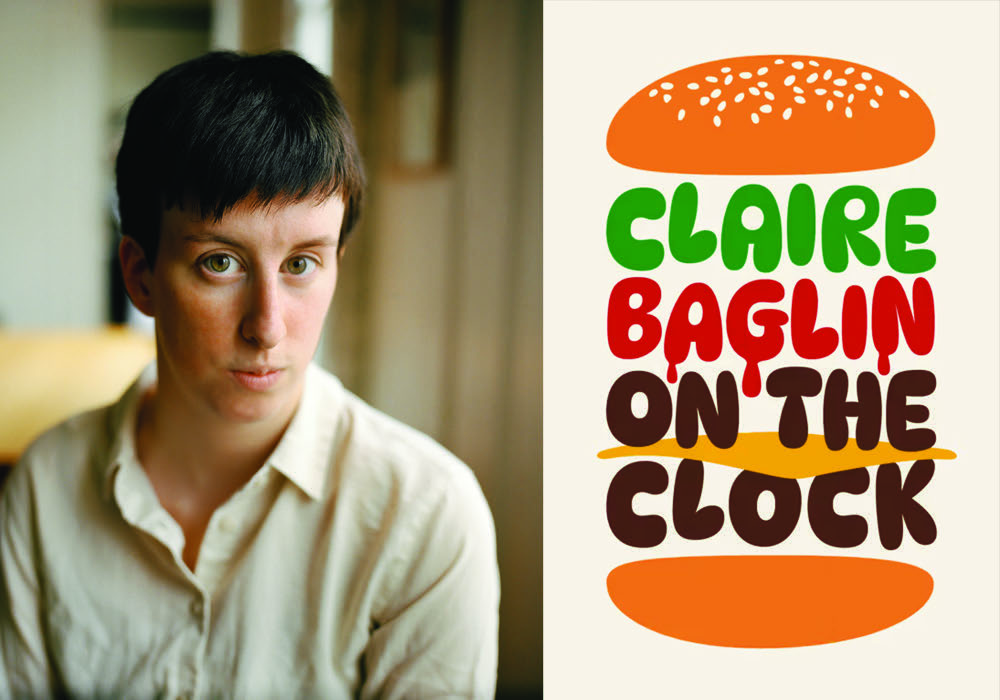
“On the Clock” by Claire Baglin, translated by Jordan Stump (New Directions)
This slim debut, translated from the original French, came out last winter but is a prime contender for your next beach read. Between alternating accounts of the nameless narrator’s summer job at a quintessential fast food restaurant, and a tangle of memories spanning their working-class upbringing (largely pulled from hardscrabble family vacations) a family portrait and a patchwork of existential themes emerge. The two timelines can feel as disorienting as a day spent in the sun. A beach readers’ leisure will be cast in sharp contrast to the fruitless toil described, strongly felt in prose that is vivid yet understated; it should be highly relatable for anyone who’s had to toil in the service industry, and enjoyable, I’d wager, for readers grateful for any break from the grind.
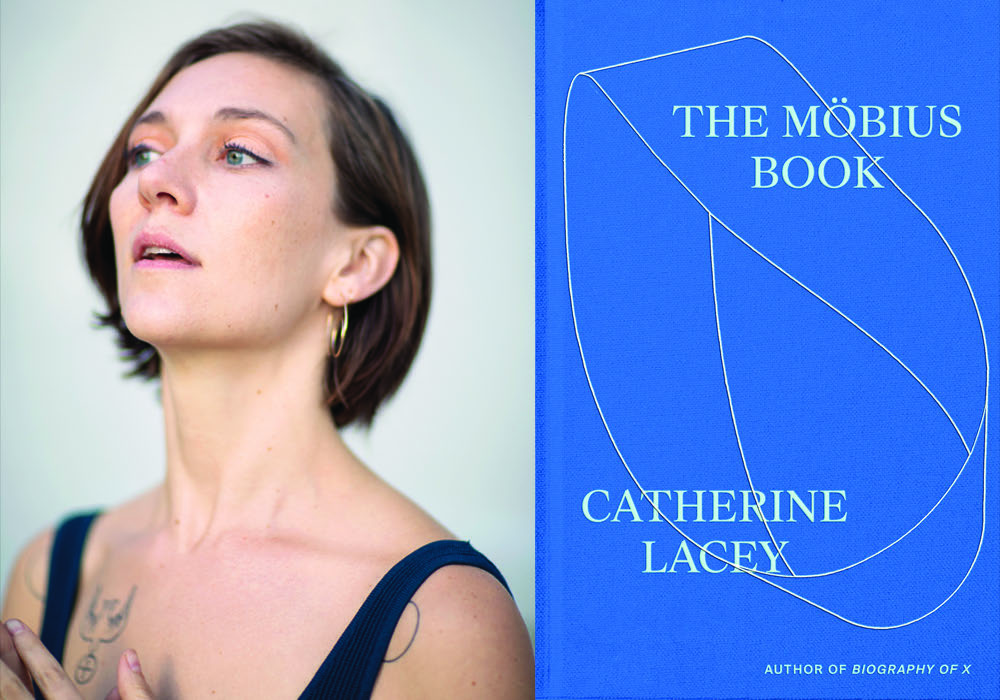
“Möbius Book” by Catherine Lacey (Farrar, Straus and Giroux)
If “Autobiography of X” discarded the boundaries of fiction and non, Lacey’s latest flips the script further by formally fusing the two. Part-memoir, part-novel arranged together, tête-bêche, to be read head to tail, readers can choose their own adventure by deciding at which end to start. With its two potential beginnings and endings, the book takes on a circular, neverending form, like an ouroboros or sanctuary lamp or, ya know, a möbius strip. The threads in these stories begin to reverberate in each other, wonderfully mirroring the subject matter of loves lost and faith also lost, and maybe found? Also that other all-time touchstone: murder.
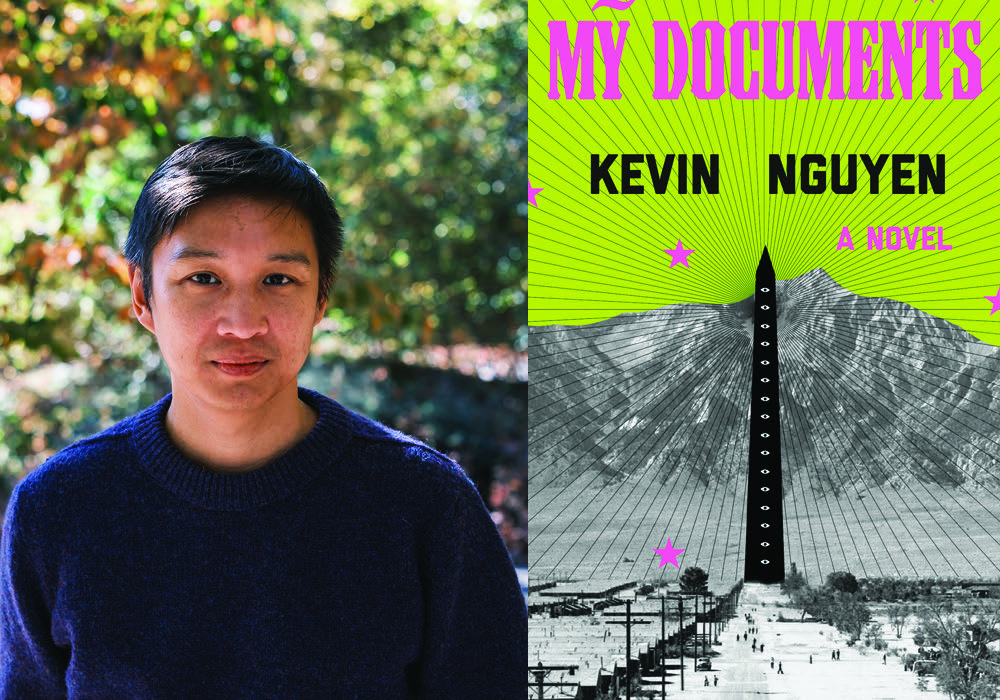
“My Documents” by Kevin Nguyen (One World)
The harrowing circumstances surrounding this dystopian, generational family drama have only come closer to reality since its spring publication, meaning Nguyen’s latest novel hits a nerve then pretty much obliterates it. That I could read this at all — let alone not put it down — without feeling paralyzed by current events speaks to Nguyen’s craft and sadly, the timelessness of it all. My privilege helps too, considering I’m not in immediate danger of internment like the Vietnamese-American characters in this book. In Nguyen’s book, reactionary fear and prejudice are made law and compounded by the media, big tech and the internet (or lack thereof) in a battle royale of modern adversaries; and these villainous forces are matched only by the characters’ own ambition and family ties.
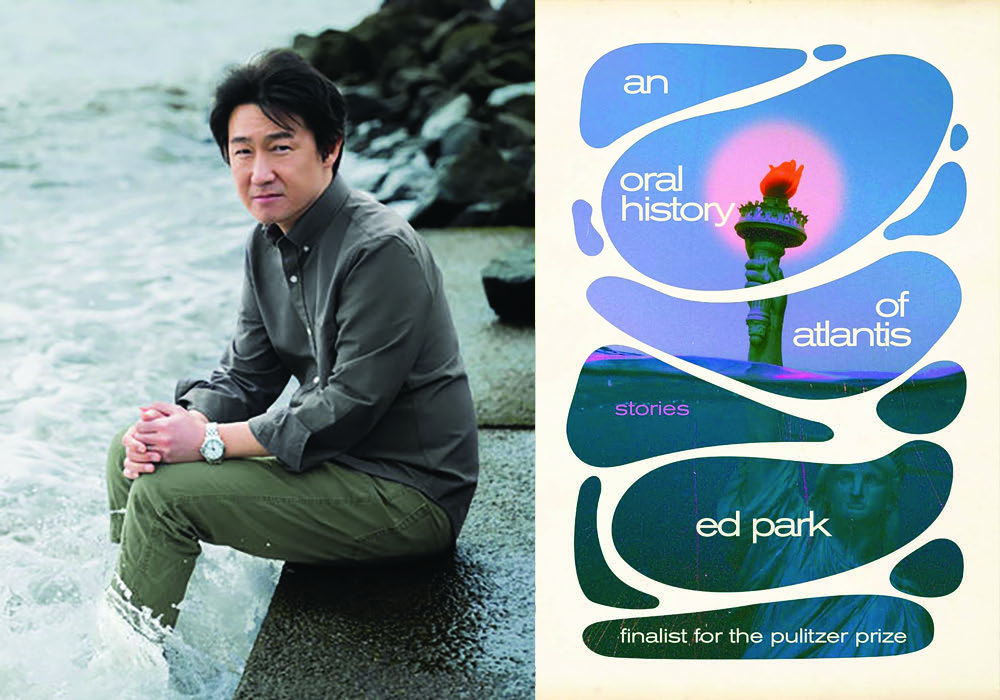
“An Oral History of Atlantis” by Ed Park (Random House)
A finalist for a Pulitzer in ‘23, “Same Bed Different Dreams” is Park’s epic that was variously praised as prismatic and panoramic. It’s sweeping, both in style and breadth, without the trappings of your prototypical doorstopper. This collection of short stories reaffirms the author’s knack for inventive narrative and effortless wit. Characters are at odds with art/iface (in a student film from “Machine City”) and technology (all those damn passwords in “Slide to Unlock,” as well as a tablet from the not-at-all distant future in “Eat, Pray Love”). He takes every opportunity to play with form, from epistolary to DVD commentary and stand-up comedy. When persons, places and things start to resurface and echo throughout these stories, Park’s secret history of our present takes root.
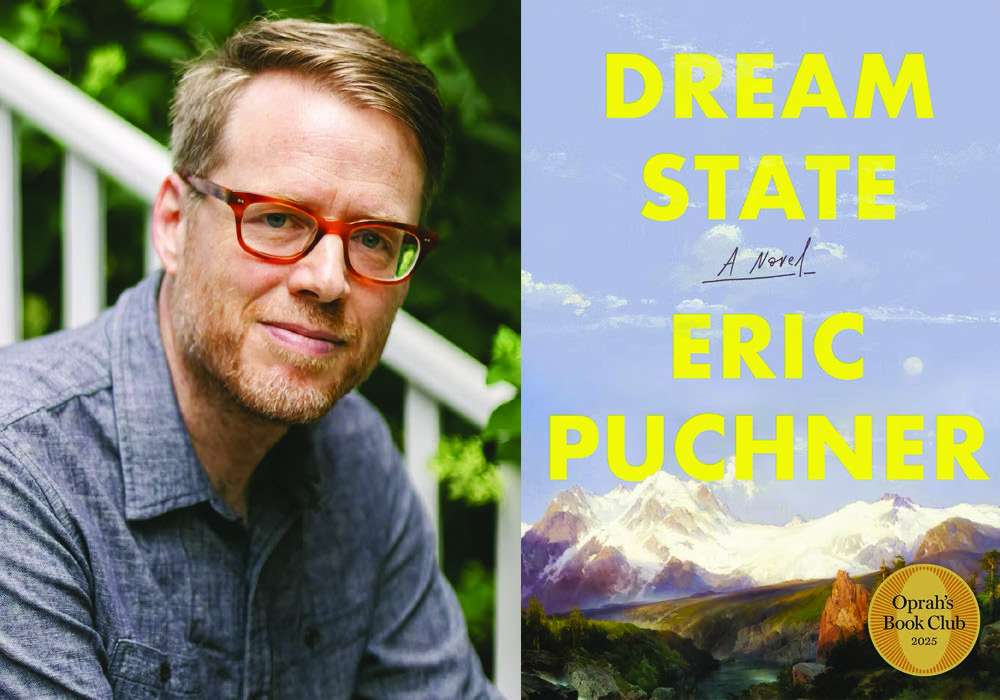
“Dream State” by Eric Puchner (Double Day)
A sweeping saga equally suited for scrolling attention spans, Puchner’s latest bestseller covers a half-century’s worth of the trio of central characters’ time on earth, ping-ponging around each other’s lives. Their dilemmas and dramas are dealt with cathartic humor and gradual perspective that makes it a propulsive and fundamentally relatable read. Place plays a huge role too, as generations return to a beloved family lake house. The ongoing toll of environmental collapse and looming calamity pervades [the book] and scarily can be used by the reader to orient themselves within a timeline that spans over five decades. Did I mention it’s also funny? Because it is.
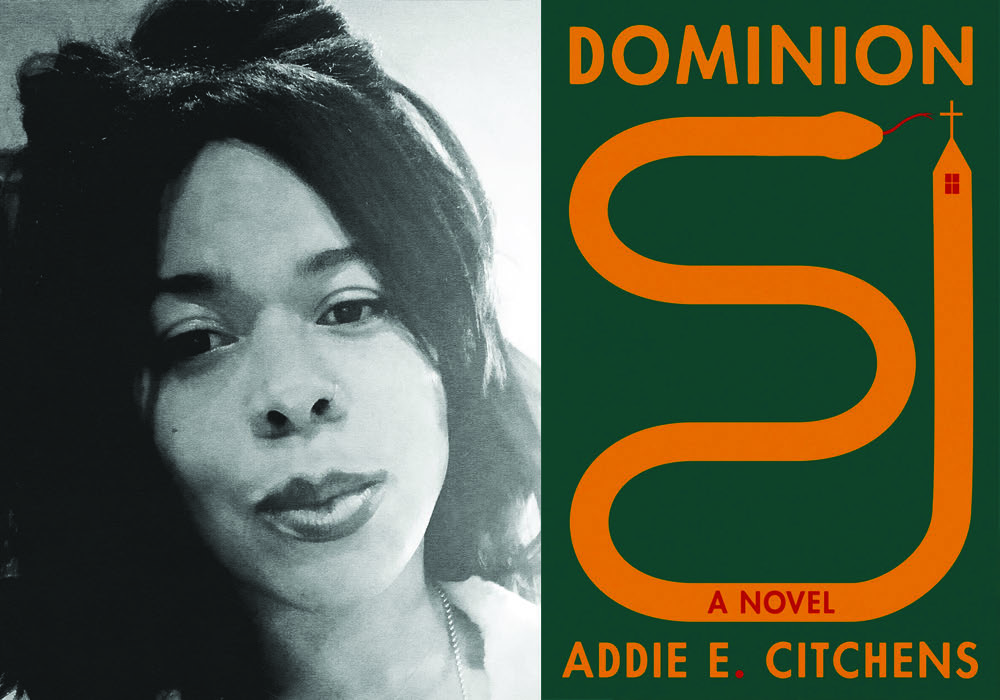
“Dominion” by Addie E. Citchens (Farrar, Straus and Giroux)
Debut novel by this New Orleans based writer whose short stories have already met a literary bar for readability as high as any writer can hope to reach. Here she offers an intricate and deft character study that’s engrossing, first through a memorable father and son — pastor and wunderkind — at the center-of-attention, then spiralling out to reveal all those in their thrall. Shifting perspectives detail their large family and the rest of their small town parish, along with the town itself and ultimately the abiding grip of patriarchy over the entire mess. This family drama is sharp but not without charm, and Sitchens displays pitch-perfect mastery of believable dialogue.
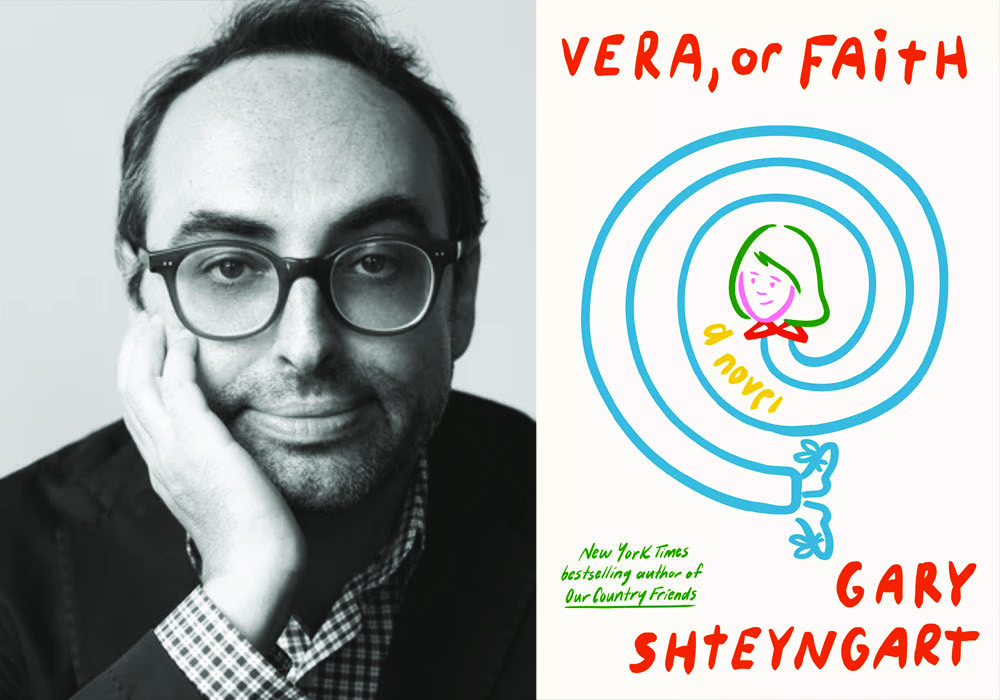
“Vera, or Faith” by Gary Shteyngart (Random House)
Each of Shteyngart’s novels since 2010’s “Super Sad True Love Story” has delivered on that titular promise. Although the truths are fictional, time and again they’ve proved prescient. They’re also hilarious, a welcome ingredient when the author is skewering social media, wealth inequality and the pandemic as if in real time. Shteyngart’s latest breaks new ground with a 10-year-old protagonist, fully realized with the author’s penchant for instilling characters’ charms matched only by their anxieties. The concerns are timely as ever and carry trigger warnings for anyone in this country who is a woman (or soon to be) and not a white supremacist. A super sad, true-enough, love story about family and identity, anchored with an unsettling, yet LOL resonance.
Music related work
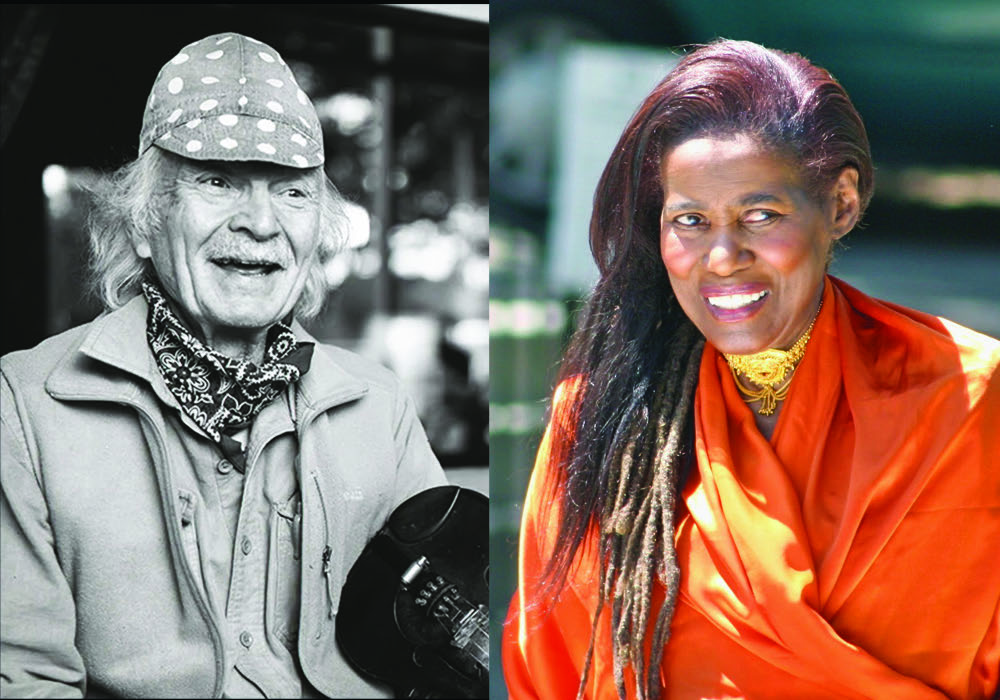
Blue Navigator 12: “The World of Michael Hurley”
I like to think it was less of mere coincidence and more so kismat that, in the last year of adored folk musician, cartoonist, and one-time Oregon Hill resident, Michael Hurley’s life, the world seemed to take stock of his career and enduring body of work, as if to hold it closer before his last lap.
For the twelfth issue of this Hurley-centric zine produced in Dublin and released just months before his passing at an ever-rascally 83, this gorgeous hardcover work compiles a healthy supply of artwork, along with a trove of photographs and biographical anecdotes supplied by the man commonly known as Snock or Doc Snock. Contributions from neighbors turned collaborators and vice versa, joined by old friends and new fans, make for a robust portrait, as if by accident, before anyone knew his legacy was so near. This timely collection paired with the forthcoming reissue of his first album, “First Songs,” featuring revamped album art he was putting the finishing touches on at the end of his life, are unlikely to leave my living room any summer time soon. [Pre-orders have already started for Hurley’s final album, “Broken Homes and Gardens,” that he was working on when he passed away last April Fools Day].
“Monument Eternal” by Alice Coltrane (Akashic)
Has your summer stalled out? Maybe you’ve used up all of your paid leave from work, or there’s no such thing as ‘paid leave’ where you work? Maybe it’s just too hot to go out. Summer doldrums are the pits, but transcendence awaits those who seek it out. Which brings me to the music and words of Alice Coltrane: This is the new edition of her first of five books documenting her spiritual awakening in the aftermath of the 1967 death of her husband, jazz luminary John Coltrane, which shaped the remainder of her prolific career. Her arc from musical prodigy raised in Detroit to the matriarch of spiritual jazz, and finally flourishing as Swami Turiyasangitananda, is put into actionable yet metaphysical terms (like ““Absolute Consciousness”) in “Monument Eternal.” Paired with her album “Radha-Krsna Nama Sankirtana” from 1977, the same year both came out, escape through higher power seems likely, no matter the limitations your circumstances bring.
CORRECTIONS: A previous version of this story misstated the title of one of Ed Park’s previous books and misspelled the name of author Addie E. Citchens.