

Lincoln and Immigration: The Other American Civil War
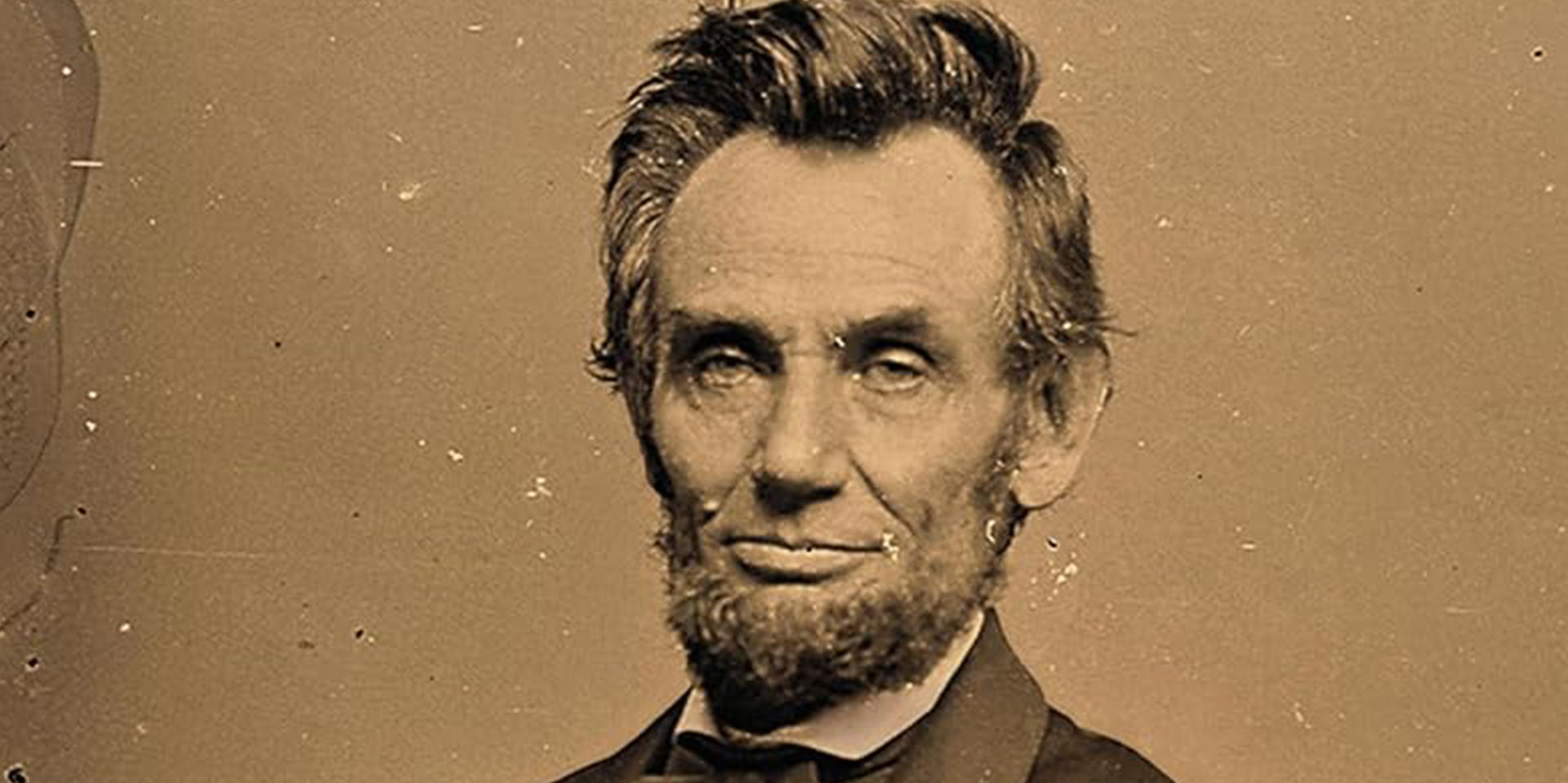
In the run-up to secession and rebellion, the great issue dividing the United States was, of course, slavery. But the parallel, often violent dispute over immigration and immigrants, including citizenship and voting rights, remained a stubborn and intractable battleground issue as well, with unexpected but profound impact on the Union, the Confederacy, and the Civil War itself. Harold Holzer’s lecture explores the nineteenth-century pathway to citizenship for the foreign-born; the rise of the anti-immigrant, nativist Know-Nothing movement; the pervasive violence against Catholics; the recruitment of immigrant soldiers to fight on both sides of the Civil War (and why their numbers and allegiance proved crucial), and Abraham Lincoln’s seldom-remembered efforts to spur immigration—either to further diversify the North, increase manpower to put down the rebellion—or both. Immigrants played a major role in both resisting and enforcing emancipation, and in fighting for both union and separation—and this talk will explore these attitudes and their consequences.
Harold Holzer is a scholar of Abraham Lincoln and the political culture of era of the American Civil War. He serves as director of Hunter College’s Roosevelt House Public Policy Institute. Holzer previously spent twenty-three years as senior vice president for external affairs at The Metropolitan Museum of Art in New York before retiring in 2015. He is the author of numerous books on Abraham Lincoln and the Civil War, including Lincoln at Cooper Union: The Speech That Made Abraham Lincoln President; Lincoln President-Elect: Abraham Lincoln and the Great Secession Winter, 1860–1861; Lincoln and the Power of the Press: The War for Public Opinion; and, most recently, Brought Forth on This Continent: Abraham Lincoln and American Immigration.
The content and opinions expressed in these presentations are solely those of the speaker and not necessarily of the Virginia Museum of History & Culture.
Related Events


About us
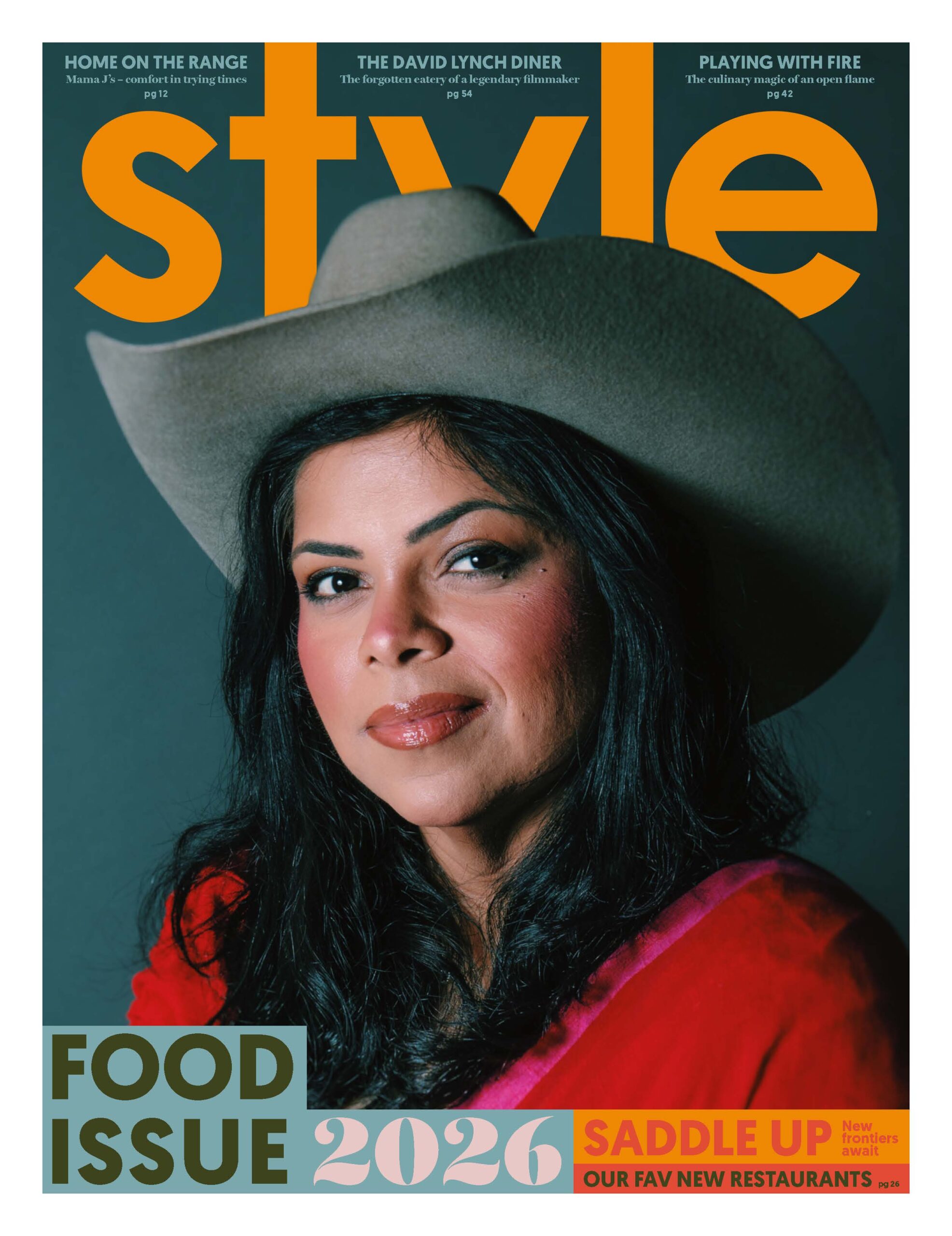
Style Weekly provides insightful and tenacious coverage of the arts, culture and food scenes of Richmond, Va., illuminating diverse and interesting people, places, issues and events in the metro region. For over 40 years, we've been telling the stories of this historic, complicated and evolving city through award-winning journalism, thoughtful criticism, arresting photography and sophisticated design — diving deep on the subjects that matter to our readers.
Company
Powered by Web Publisher PRO