When you examine the flavors and history of food in the United States, one thing becomes clear: Large swaths of American cuisine as we know it today — particularly that of the South — are indelibly marked by the contributions of African Americans.
This month in Richmond, those contributions, the unique culinary history of Virginia and the work of contemporary Black chefs will be celebrated at The Function, a barbecue and fish fry at Shalom Farms organized by Nikki Gregory and Paul Polk of Charlotte’s Southern Deli, alongside local food writer James L. Ford III.
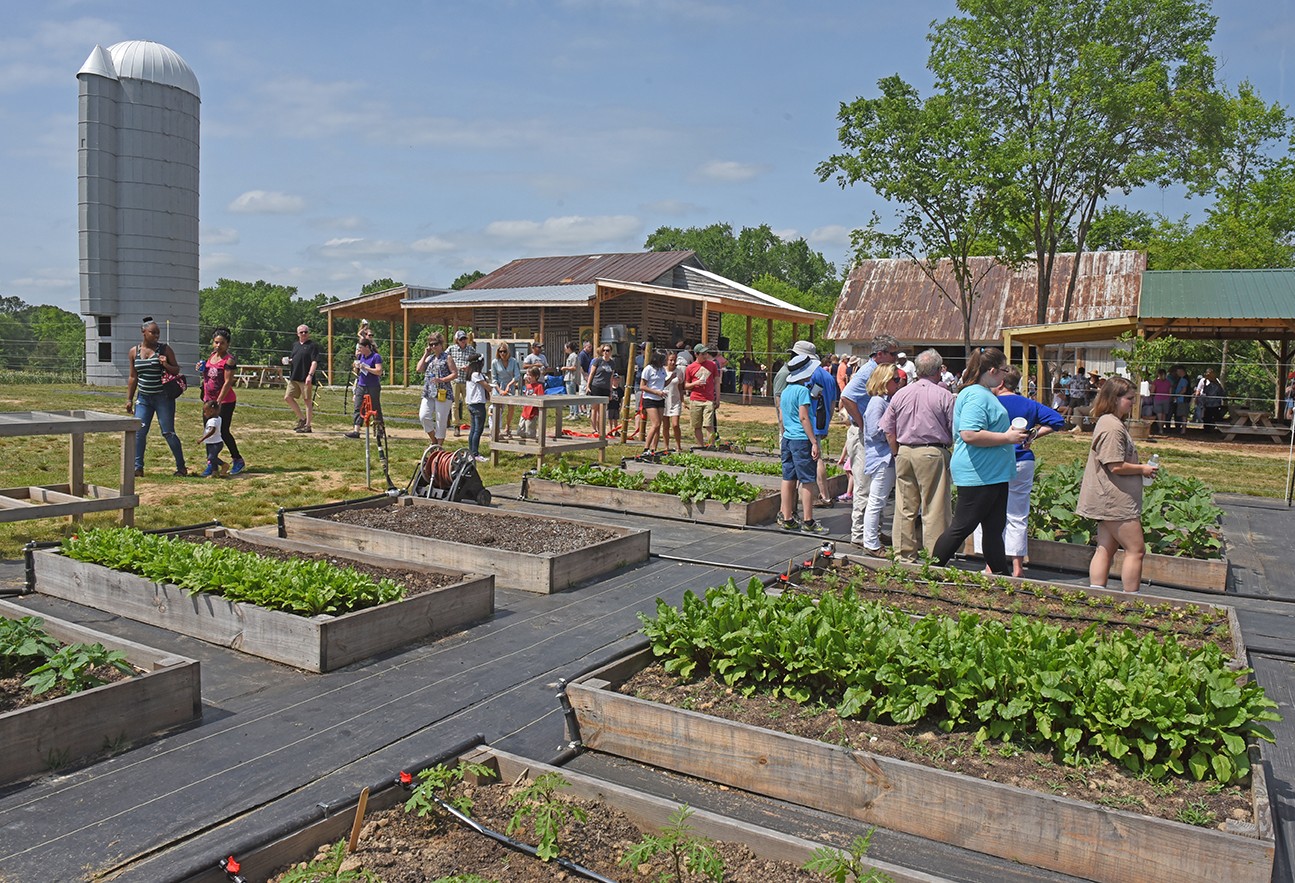
The Function will be held Saturday, Sept. 27 from 2-6 p.m. at Shalom Farms Northside Farm. Food will be at the forefront rather than an accessory, highlighting Virginia’s culinary traditions and some of the most talented Black chefs from Richmond and beyond.
Participants include Leah Branch of The Roosevelt, Mike Lindsey of Lillie Pearl, Rabia Kamara of Ruby Scoops, Justin Ross of JC Desserts, James Beard nominees Oscar Johnson and Shenarri Freeman, Black Olive Pizzeria’s Rashad Thompson, pit master Reggie Green, as well as Gregory and Polk, among others. Beverages from Black-owned businesses such as Noire Sunshine Winery will also be featured.
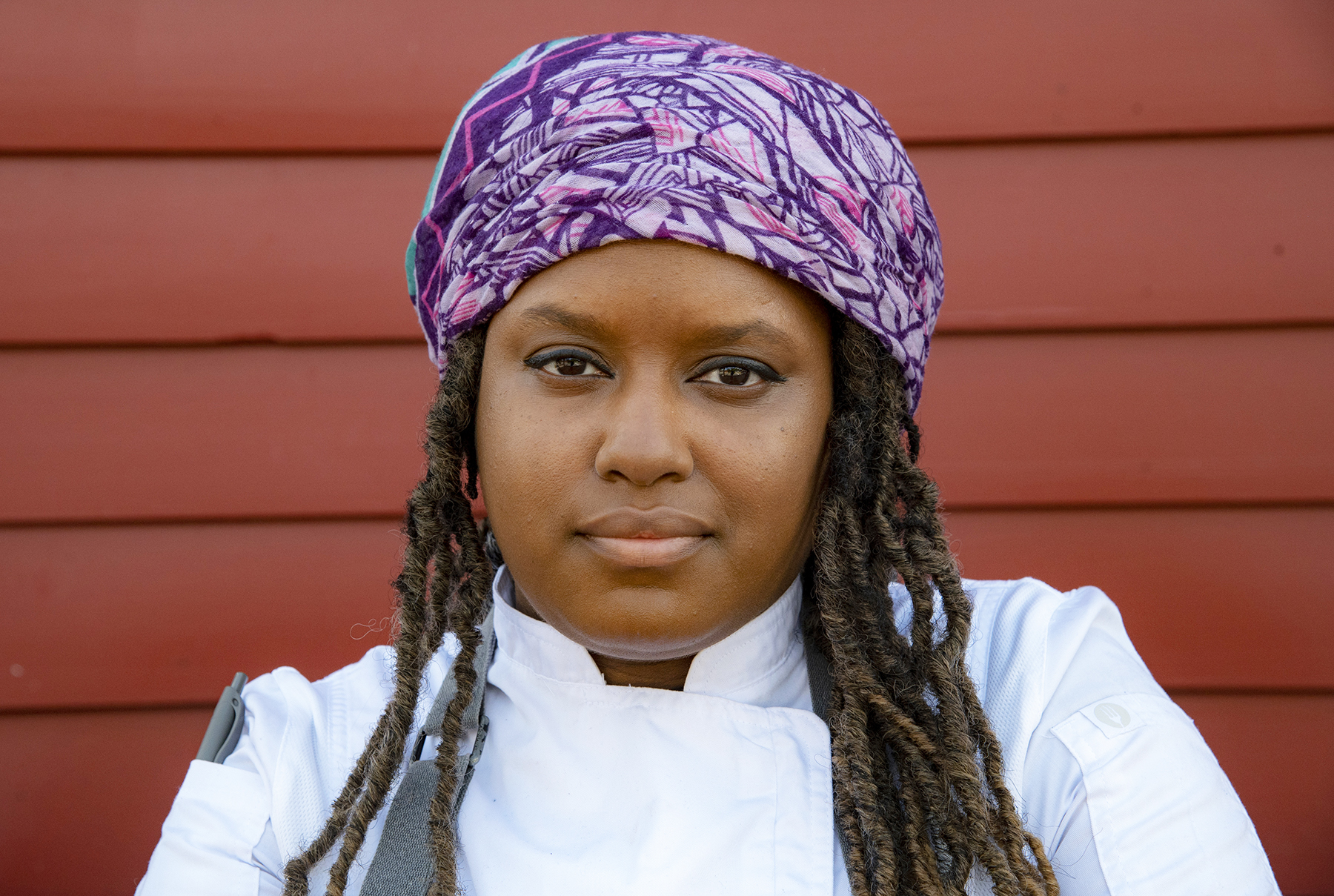
“We wanted to create something where people are there to talk about the food,” Polk says. “This is an experience where no one is saying they’re running to get food real quick, they’re there to focus on coming together around food.”
“You watch tastings in shows like ‘Top Chef’ and you think, ‘Where is an event like that?’” Gregory adds. “Where everyone is dressed up, slightly buzzed, just having a good time? That’s what we’re putting together.”
The day’s two focal points — barbecue and fish fry — stem from African American foodways and culinary traditions dating back hundreds of years, representing long-held relationships with both land and water.
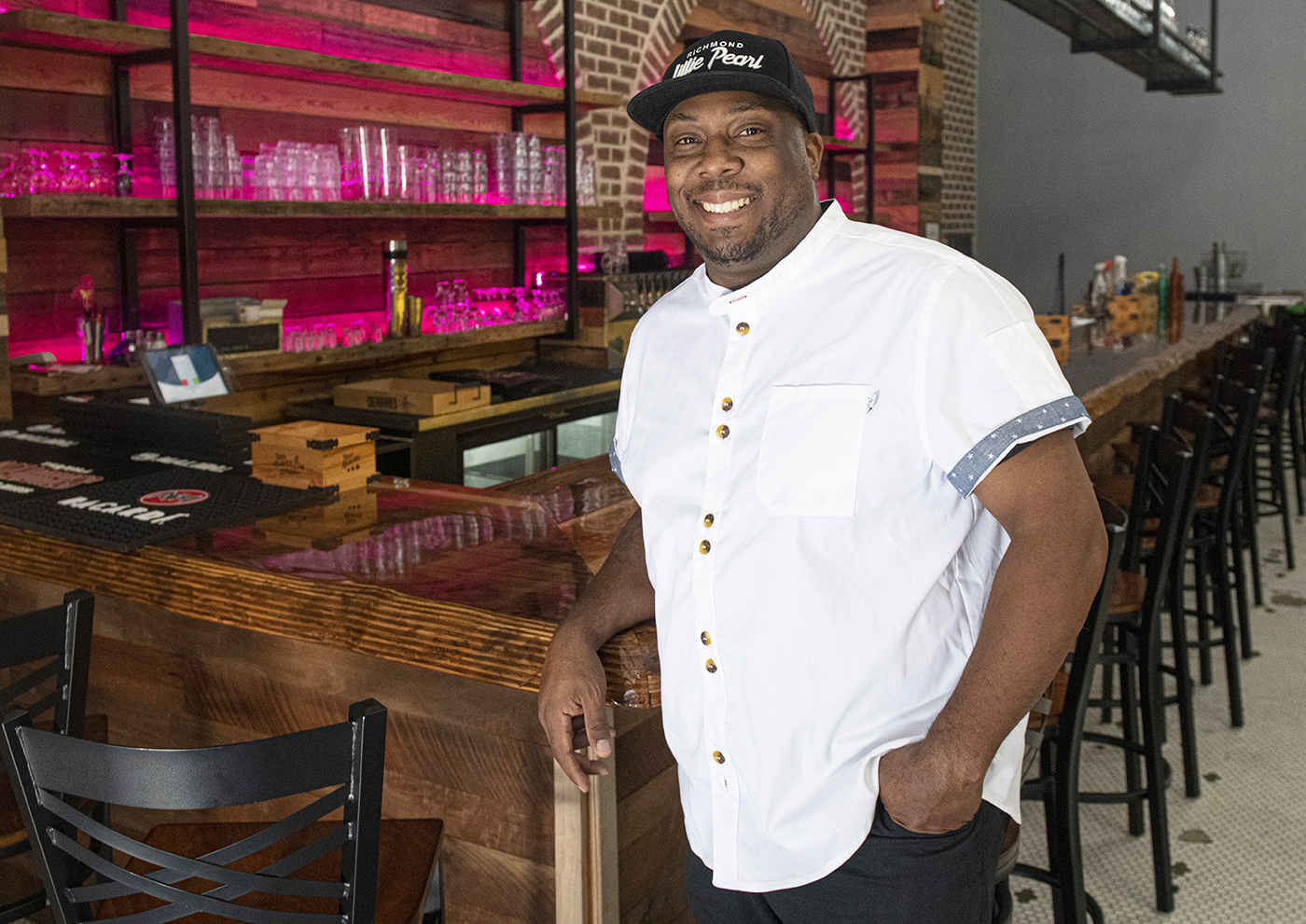
The origins of barbecue as a cooking technique can be traced to the Taíno, Indigenous peoples of the Caribbean. European and African influences later combined to create the American barbecue we know today.
As writer and culinary historian Michael Twitty puts it, “African and Native American cooking styles [are]…the root of barbecue.” The roasting of a whole animal, as seen in whole-hog barbecue — which will be featured at The Function — was especially significant. Twitty continues, “for the enslaved community in particular, this would be one of the rare opportunities where they could actually have fresh meat from a domesticated animal that would be in mass quantities.”
The fish fry can also be traced back to the lives of enslaved Africans. Both the act of fishing and the preparing and sharing of that fish in community represented one of the few activities enslaved people could do “on their own time with one another,” as Adrian Miller explained to The New York Times.
After the abolition of slavery, these gatherings continued as cornerstones of fellowship, cementing traditions that united the diaspora during the Great Migration and beyond. Knowledge gained through barbecues and fish fries also helped newly liberated African Americans find employment in a country still hostile to their progress, whether through small businesses such as lunch counters or maritime work (there is a particularly strong history of Black water workers on the Chesapeake Bay).
“Post slavery, a lot of Black people went and worked on the water — crabbing, oysters,” Polk notes. “They could become successful enough to buy their boats from the people they work for. There’s a deep relationship with the water, and the coast is what built this city.”
“Hampton was completely built off of Black women shucking oysters,” Ford adds.
The Function will be taking over Shalom Farms — a regular host of the RVA Black Farmers Market — and will also include music, games, a vegetable-focused cooking demonstration from Jason Muckle and a live talk on African American foodways and the history of barbecue by food anthropologist and writer Debra Freeman, who argues that the first U.S. barbecue originated right here in Virginia.
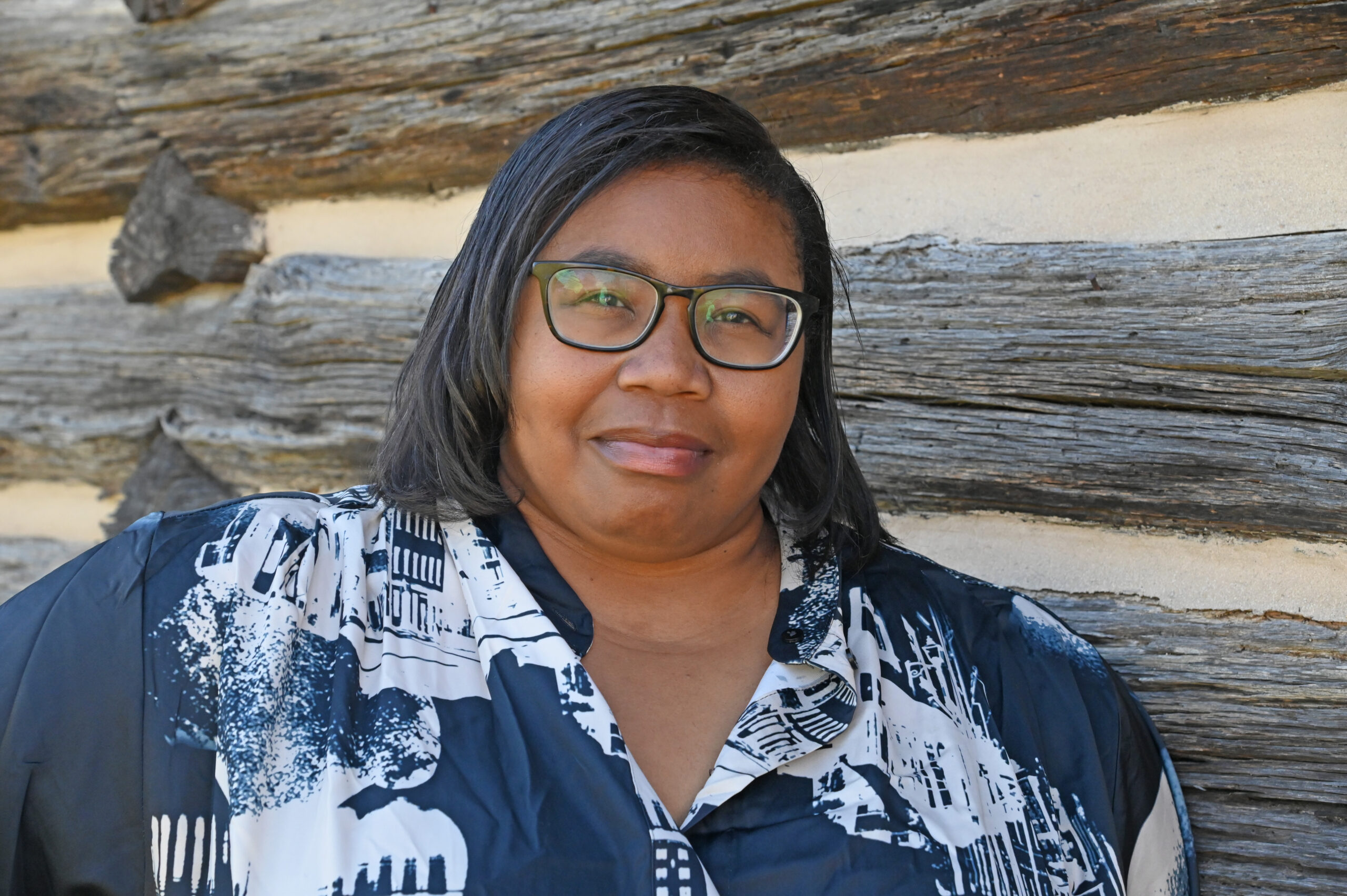
In addition to whole-hog barbecue, attendees can expect dishes like lion’s mane mushroom pie, a grazing board with pickled seafood and hog’s feet, watermelon donuts and more.
The event reflects each of the three founders’ lifelong passions for food, shaped by culinary upbringings that were both distinct and overlapping.
Ford, a native of Smithfield, Va. says his family was “big into both seafood and pigs” (his cousins will provide The Function’s whole hog) and that he started cooking at a young age under the tutelage of both of his grandmothers.
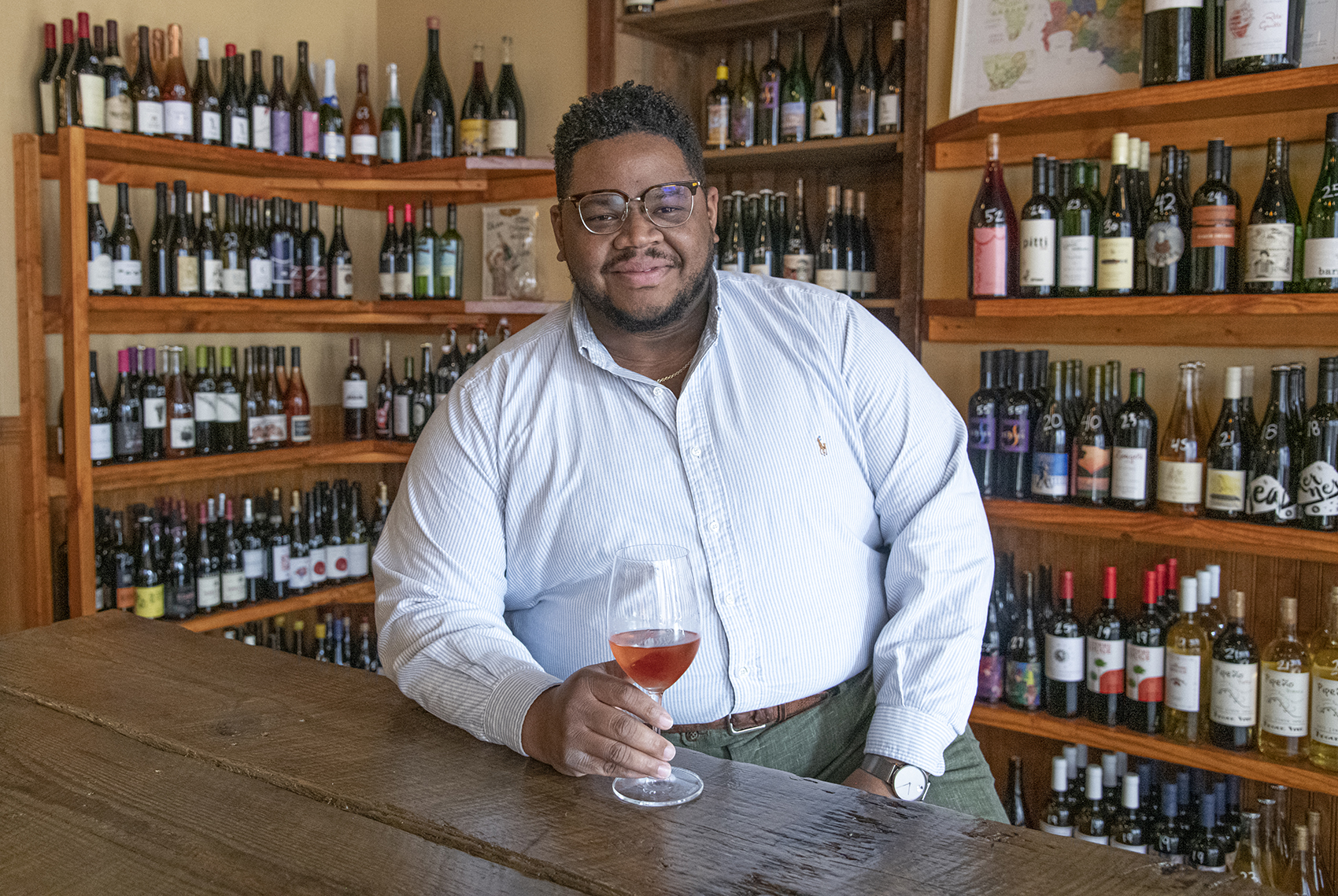
Polk, whose father was a longtime waterman, says seafood was so common that getting blue crab on an average Tuesday was routine; dried and salt fish were staples and his grandmother was a prolific canner.
Gregory, whose father was an executive chef and whose grandfather’s West Virginia roots brought an Appalachian influence, says she treasures family recipes and culinary heirlooms, including a recipe for apple butter, her grandmother’s copper kettle and a mixing paddle that belonged to her great-great-grandfather.
Gregory, Polk, and Ford already plan to bring the event back next year, but for now they’re focused on the joy of gathering over great food.
“This was created out of a want to celebrate everything that we’re eating and what it represents,” Ford says. “We just want to live in that moment for a little bit.”
“I’m really looking forward to the fellowship,” Gregory says. “I’m really excited to be around people who want to enjoy the same thing all together. We’re looking forward to the community that’s going to come from this.”
The Function takes place Saturday, Sept. 27 at Shalom Farms Northside which is located at 1311 Westwood Ave. Tickets are available here.