If you’d told Rick Hammerly a few years ago that he’d be adapting “A Christmas Carol” for the stage, he would have laughed at you.
For a decade’s worth of holiday seasons, Hammerly played Mr. Fezziwig in a production of the Charles Dickens classic at Ford’s Theatre, the Washington, D.C. venue famous for being where President Abraham Lincoln was fatally shot in 1865.
“By the end of that decade I had a little ‘Christmas Carol’ PTSD,” says Hammerly, Virginia Rep’s artistic director and director of the “Christmas Carol” production that just opened at the November Theatre.
Hammerly’s return to a work that was a regular part of his life in the 2010s came after he had a conversation with the director of the Ford’s Theatre production.
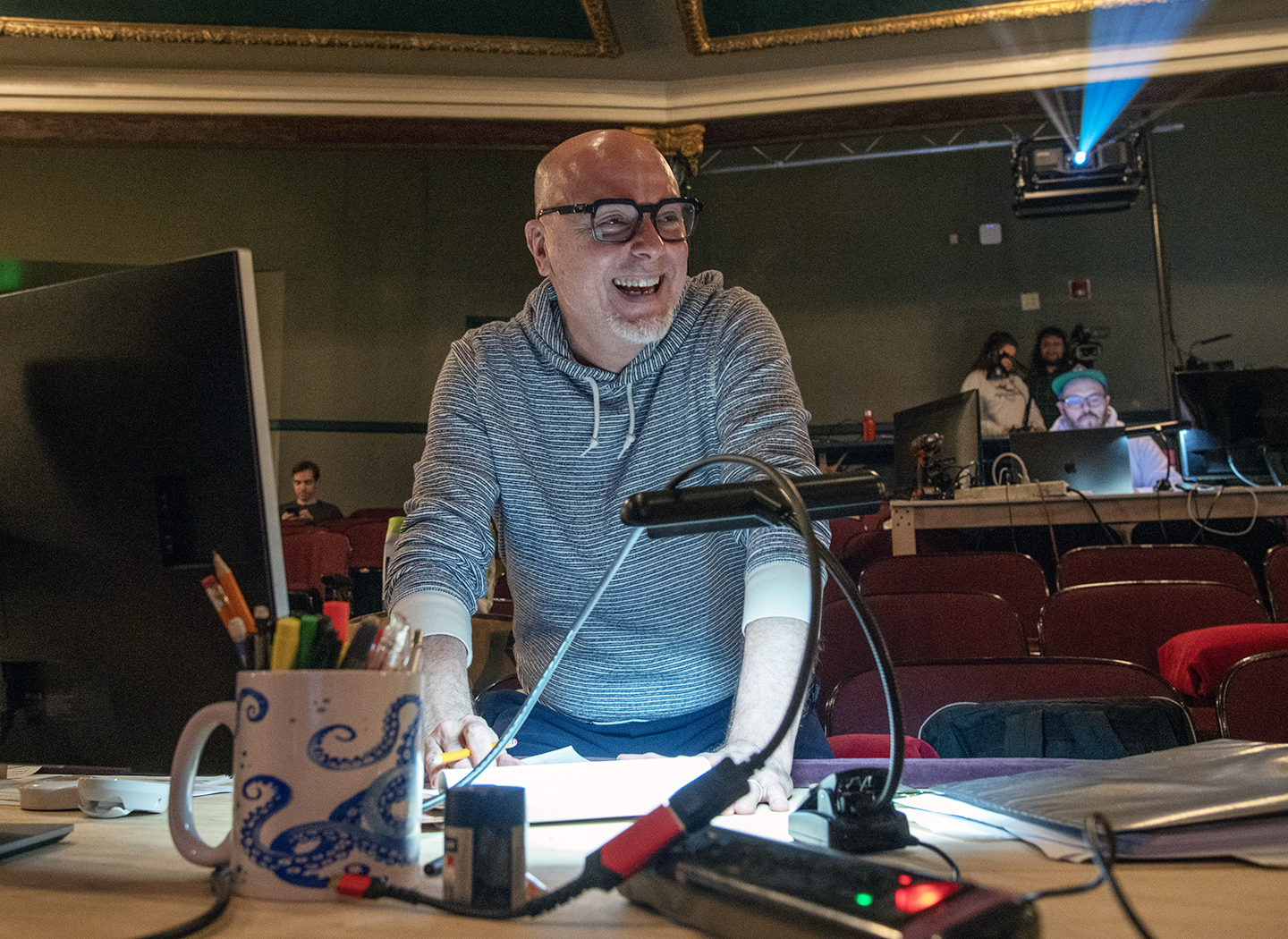
“He said, ‘Rick, you really need to reinvestigate [the work] now that you’re not a part of it,’” Hammerly recalls.
Like the Dickens novella it’s based on, this adaptation tells the story of Ebenezer Scrooge, an elderly miser in Victorian-era London. A money lender and businessman, Scrooge despises both Christmas and the poor until he is visited by four ghosts one Christmas Eve.
“It’s a story of redemption,” Hammerly says. “No matter where you are in life, there’s always the opportunity to embrace generosity, happiness and love. If you’ve lost your way, there’s a way to get back on that path.”
Visually, Hammerly compares Virginia Rep’s production to something cooked up by Tim Burton: “It’s a little twisted here, it’s a little wacky there. It’s intense sometimes. There’s a reason it’s a story told with ghosts.”
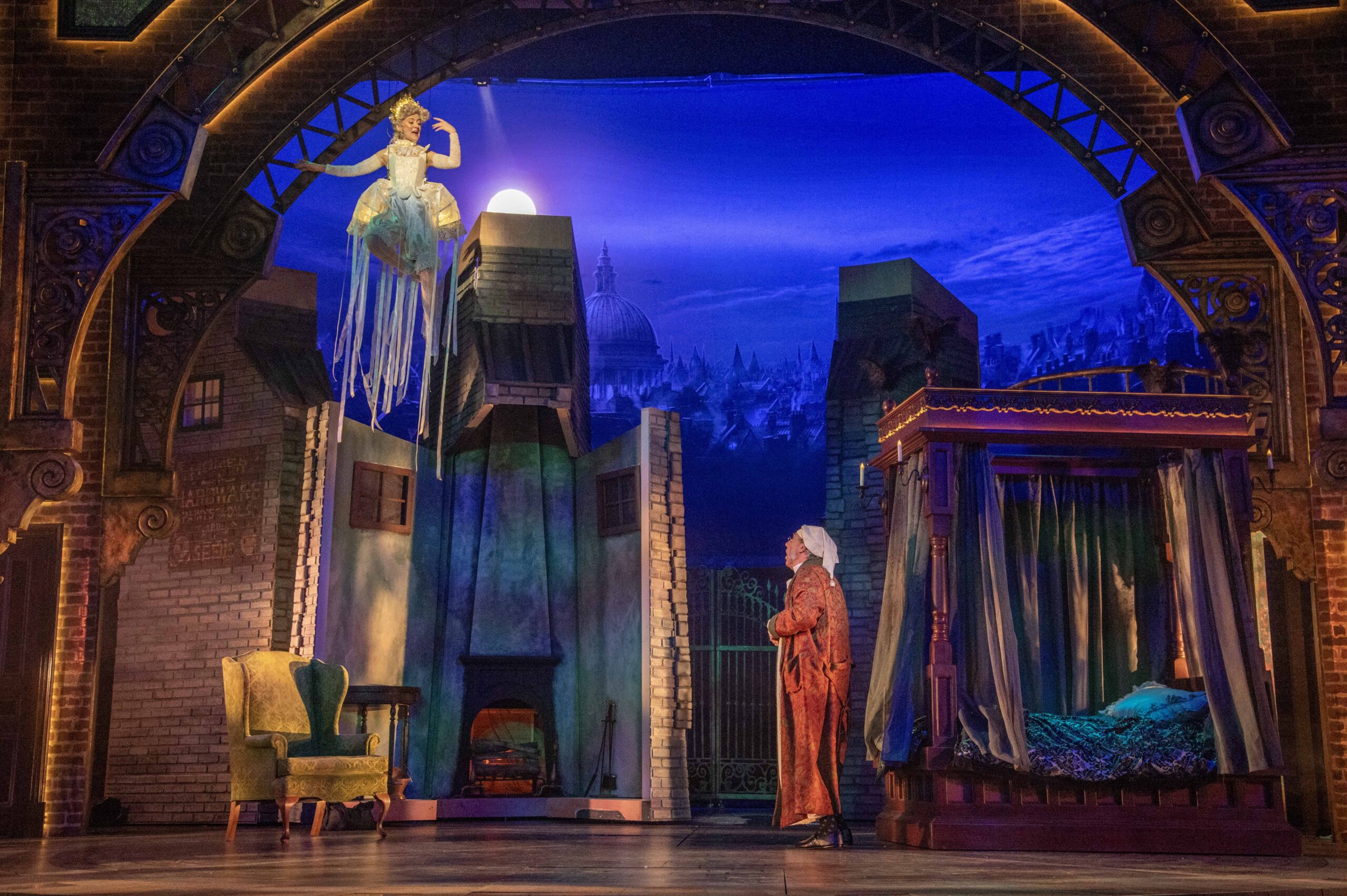
Thomas Adrian Simpson, who plays Scrooge in the show, says he’s wanted to tackle the role for years.
“Scrooge, throughout the story, is a complicated figure,” says Simpson. “He stands out in the society that he lives in because of his coldhearted disposition and actions. Because of that, he is shunned and ridiculed by regular society.”
As an actor, Simpson says playing Scrooge is a dream.
“For actors, it’s kind of like the best of all possible worlds,” Simpson says. “Many, many years ago, I was talking to an older actor who said, ‘If it’s not mean or if it’s not funny, don’t play it.’”
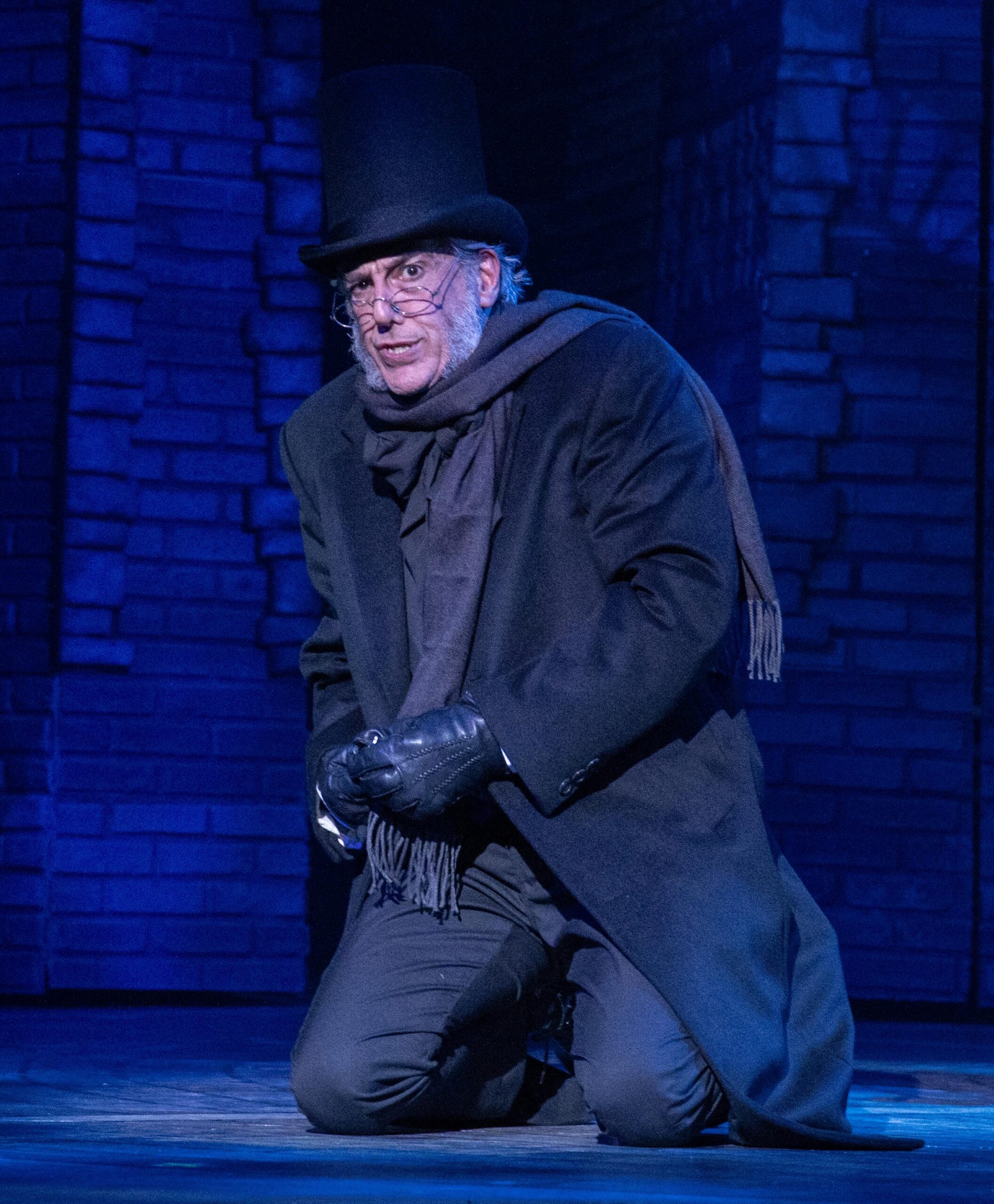
Jonathan Spivey plays the ghost of Jacob Marley, Scrooge’s former business partner who died seven years before “A Christmas Carol” takes place. Marley is the first ghost to warn Scrooge about the errors of his ways.
“He’s sort of trapped in purgatory where he never gets to rest, he never gets to sleep,” Spivey explains. “The point that he makes to Scrooge is that if you don’t go out and love the world, you’re going to end up in exactly the same position.”
Though Dickens was influenced by fairy tales and nursery stories in writing “A Christmas Carol,” Spivey stresses that the story reflects the cruel realities of destitution in London during the Victorian era.
“A lot of people think of this as a fairy tale, but there’s such a dark underbelly to moments in the story,” Spivey says. “Dickens really underlines people’s capacity for both generosity and helping people, but also our capacity for taking advantage of each other and ignoring one another. The play is very clearly his opinion that we have to make a decision between those two things.”
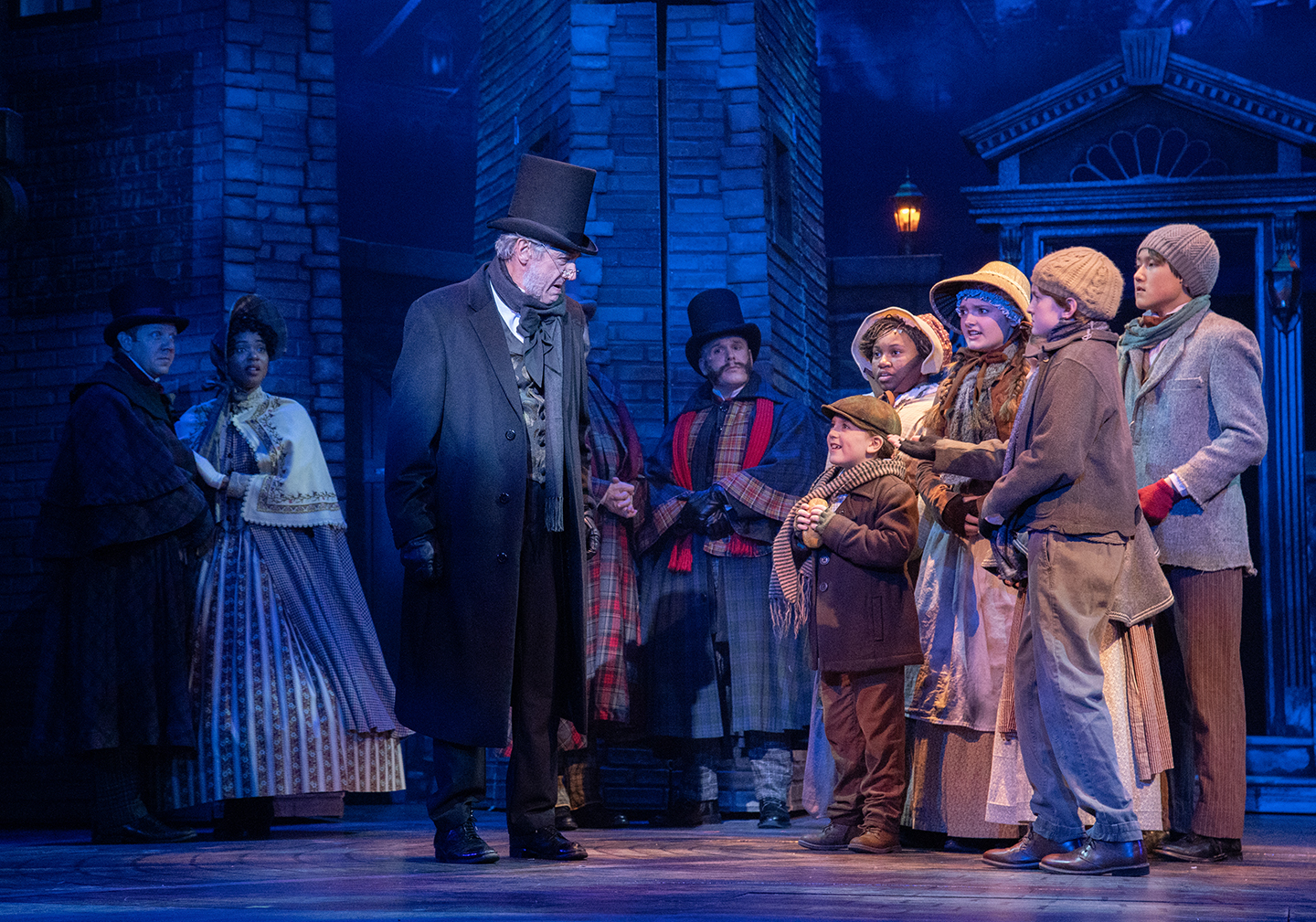
Part of the challenge of bringing “A Christmas Carol” to the stage is Dickens’ language; Spivey compares the effort to that of performing Shakespeare.
“Some of the words and phrases are archaic and you have to figure out a way to make sure that the audience understands the point of what you’re saying, even if they don’t know the exact references,” Spivey says.
Hammerly hopes that the Virginia Rep production becomes an annual staple of Richmond’s holiday season, the same way that Richmond Ballet’s “The Nutcracker” has. If all goes to plan, Hammerly says he will change elements of the show each year to keep the production fresh.
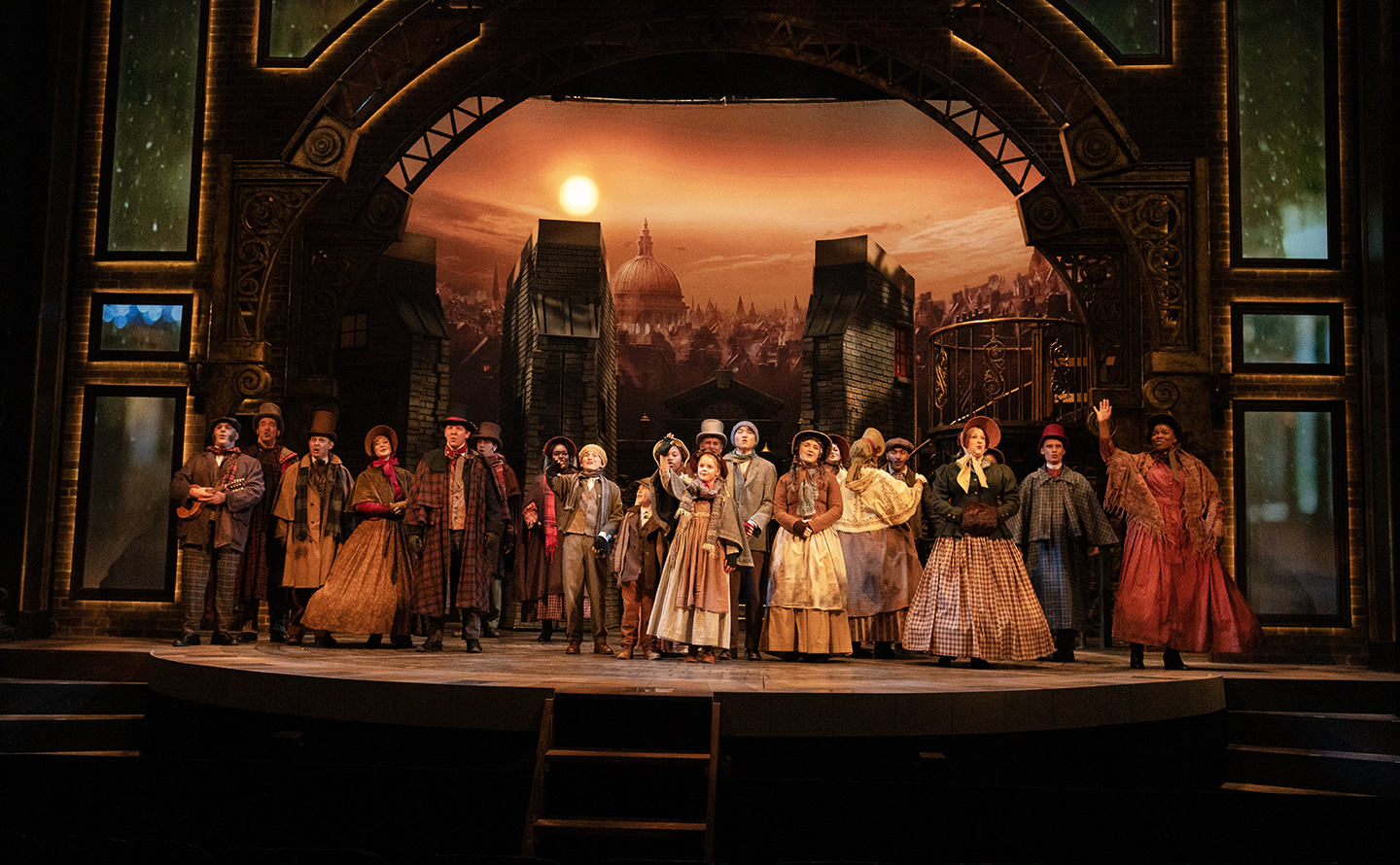
“Each year we go in, we’re not just recreating what we did the year before — we’re expanding and growing,” Hammerly says. “That’s exciting for me.”
Following the giving message of Dickens’ novella, Virginia Rep will take up a collection from audience members that it will donate to nonprofit Feed More at the end of the show’s run.
“It puts the work in motion, connects it to the real world,” Hammerly says. “We’re not just telling the story: We’re actually living the story and trying to activate the message of the story.”
Virginia Rep’s “A Christmas Carol” runs through Dec. 28 at the November Theatre 114 W. Broad St. For more information visit va-rep.org or call 804-282-2620.