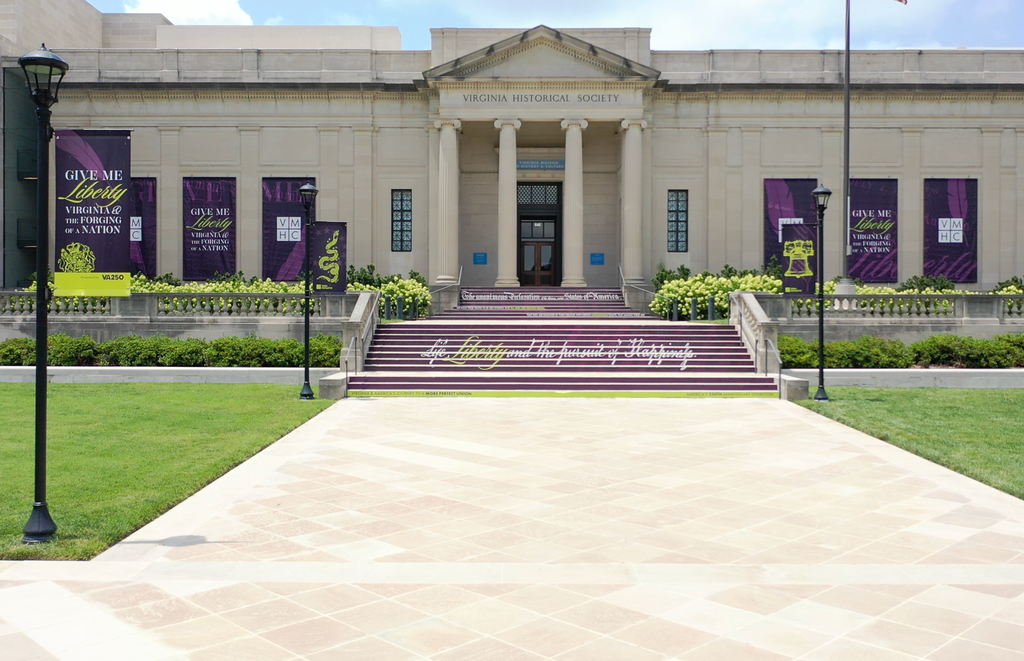
Clementina Rind is a name most are unaware of in Virginia history. But it’s a name that should be recognized, and the Virginia Museum of History and Culture (VMHC) and Virago Spirits aim to do so through rather tasty storytelling.
“Defiant Spirits: Exploring the Legacy of Clementina Rind” takes place on Aug. 14 from 6 to 9 p.m. at the VMHC. It kicks off a new, quarterly series between the museum and distillery that highlights overshadowed lives and accomplishments.
Offering 18th-century cocktails and food, the upcoming event explores Rind’s role in the fight for American independence.
“Clementina Rind is one of those many stories that doesn’t always get the awareness it deserves,” says Michael Plumb, VMHC vice president for education and engagement.
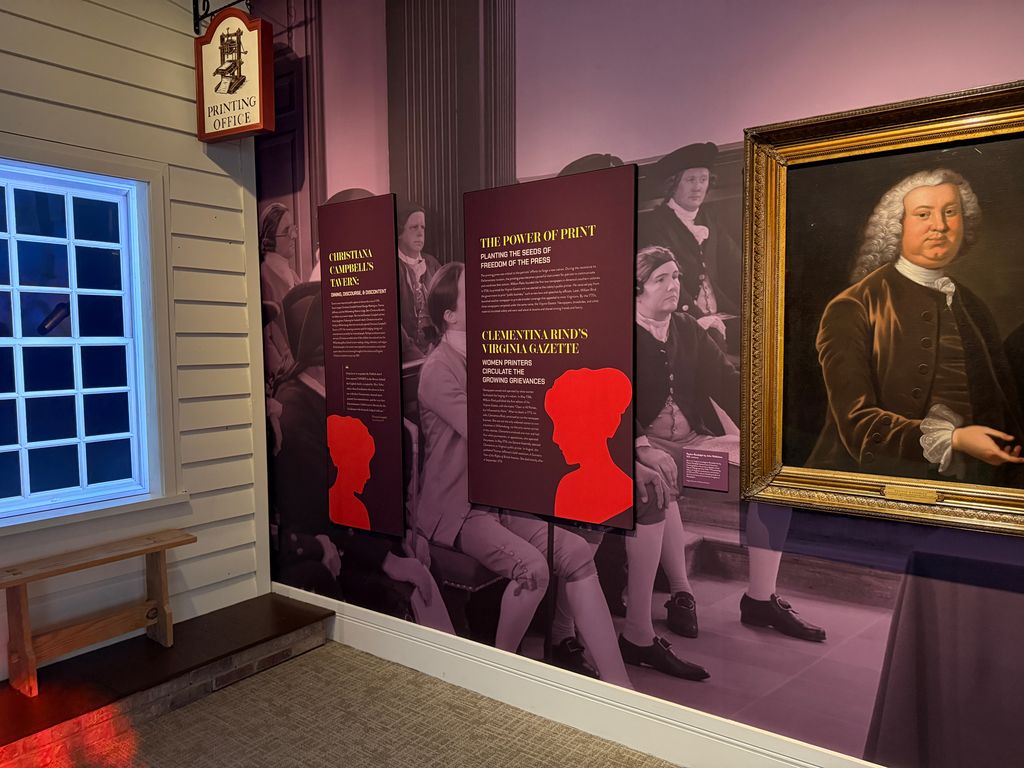
Rind, who is featured in the museum’s current exhibit “Give Me Liberty: Virginia & The Forging of a Nation,” was the commonwealth’s first female newspaper printer and publisher.
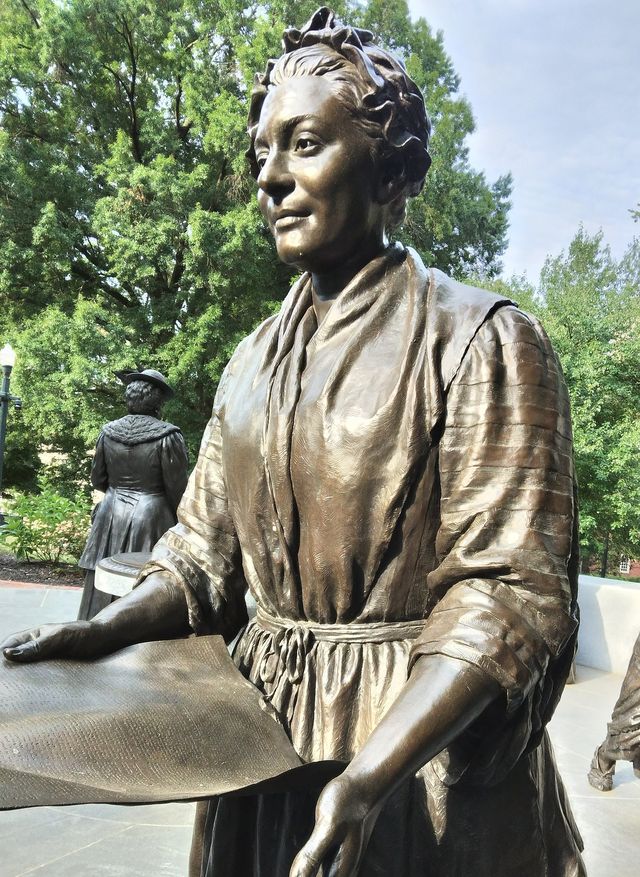
She not only defied gender roles, but played an important part in the brewing American Revolution by printing essays, articles and reports at her Williamsburg shop. She was also the first to print the original edition of Thomas Jefferson’s “A Summary View of the Rights of British America,” which pushed for independence.
Attendees will get to browse the exhibit and then gather in the Thomas F. Farrell II Gallery to enjoy drinks and food.
Virago Spirit’s co-founder and distiller Barry Haneberg will be demonstrating and serving four era cocktails, including The Stone Fence (a colonial rum and cider concoction garnished with grated nutmeg) and punch (generally rum, water, lime juice and spice).
“Punches were the social drink of the day,” says Haneberg. “Consuming it with friends was kind of the classy thing to do, especially if you had money [which determined] how fancy [the punch was].”
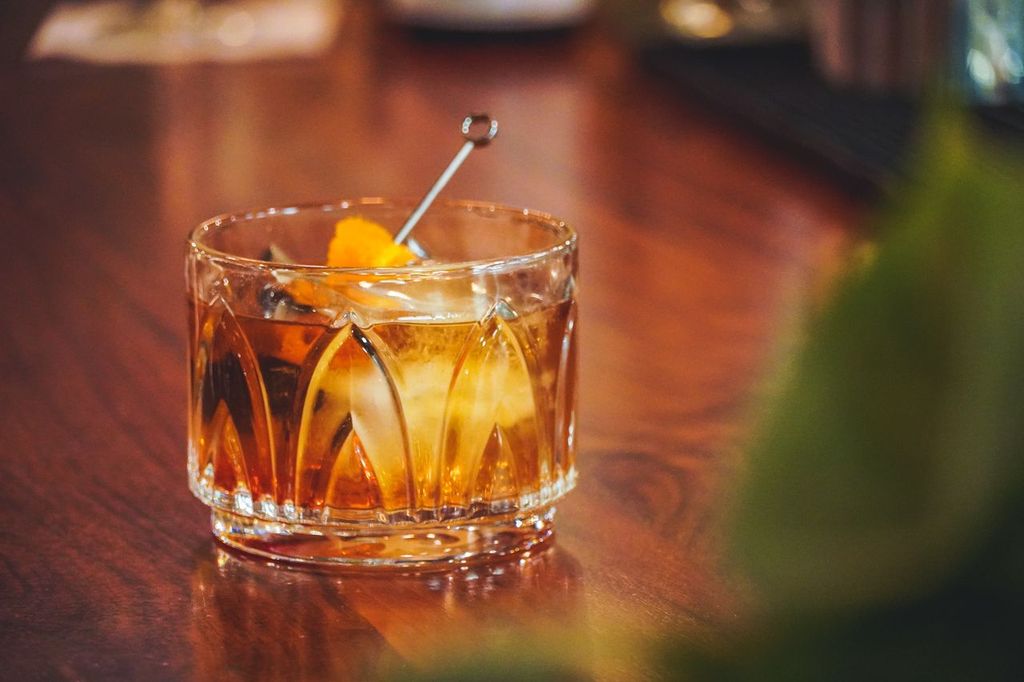
The stories behind the drinks and ingredients will also be touched on, like how rum was a popular spirit, how the Sugar Act influenced colonial drinking and how one’s income determined how intricate cocktail ingredients were, especially in punches.
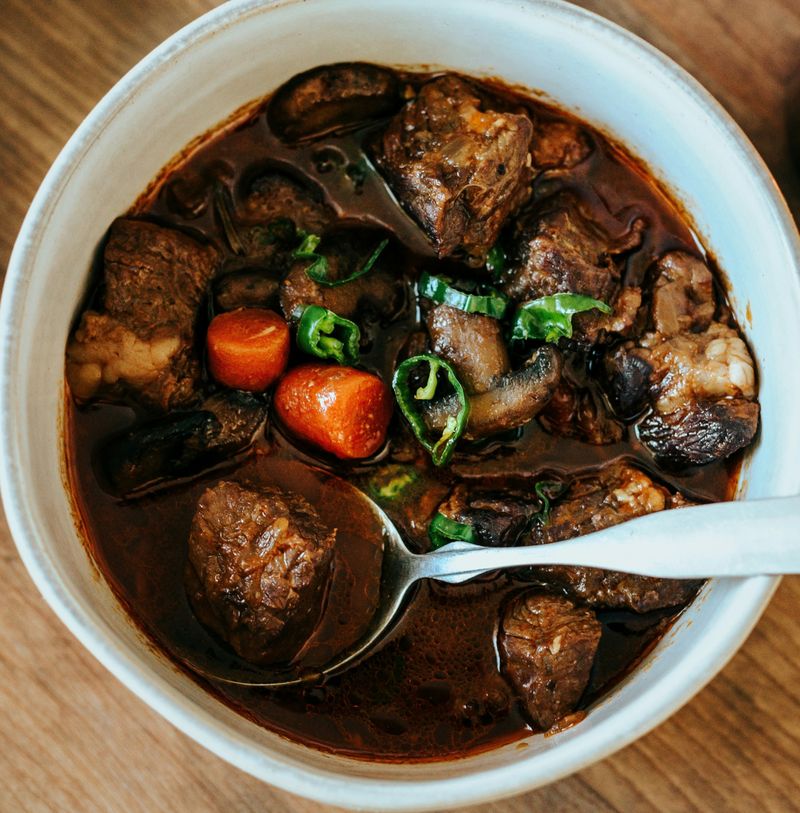
Tavern fare from Belmont Butchery will also be served. The menu features the butchery’s pork pie with rustic mustard, clothbound cheddar with apple and onion compote/jam, venison stew, a Sub Rosa rustic loaf and pickled vegetables.
But perhaps one of the most important aspects will be the educational lesson. Guests won’t only taste 18th-century history, but learn about how taverns and inns were crucial meeting spots for exploring revolutionary ideas and how Rind’s work at the printing press encouraged their spread.
Inconsistencies will also be discussed, including how the push for freedom and democracy only focused on a chosen few.
“The more voices we can hear the better we will be,” says Haneberg. “Especially [since] much has been white males dominating the story we were told as a nation…to understand our history, or any history, properly, we [need] to dive into stories more less understood, told, talked about because in those stories that’s where you find the truth.”
The VMHC and Virago Spirits partnership launched last summer after the two teamed up for Julia Child & the Art of the Cocktail. This celebration emphasized Child’s barrier-breaking work, her recipes and ‘70s cocktail culture.
“It was an opportunity for us as an institution to talk about food, food culture a little different from the normal narrative [and it] led to some exciting collaborations,” says Plumb.
The museum was initially drawn to Virago Spirits thanks to their mission and their established Art of the Cocktail series which presents cocktail recipe demonstrations and tastings at their distillery on Rhoadmiller Street. Likewise, Virago Spirits was interested in expanding their series and concept of a virago.
“A virago is…a badass woman. A woman who breaks molds and doesn’t let others define them,” says Haneberg. “[We’ve] adopted this sensibility and [it can be taken] beyond gender—anybody who doesn’t let others limit who they can be.”
The Julia Child collaboration was originally intended as a special one-time marketing opportunity, but its reception proved otherwise—people loved the immersive history and wanted more. “We knew we had something kind of special,” says Plumb.
They’re now looking to make it a regular series inspired by the museum’s exhibits and programs, including the current “Un/Bound: Free Black Virginians, 1619-1865” and “We the People,” which opens March 21, 2026 and highlights immigration throughout Virginia’s history.
“The VMHC has been around since 1831 … and collecting stories that entire time,” says Plumb. “[There are] 9 million items in the museum, a lot of those things are on paper [and we’re] trying to bring them to life in unique ways. It’s exciting from my perspective at the museum knowing as our content changes…those rotating exhibits always have new stories to tell.”
A few tickets are left for Aug. 14 but are going fast. They run $75 for general admission and $70 for VMHC members. Attendees must be at least 21 years old.