America has been called a “melting pot,” but Jon Lohman isn’t so sure of that.
“That’s not a particularly good metaphor,” says the former Virginia state folklorist at Virginia Humanities, now the president of the Center For Cultural Vibrancy. “Often what you find is that when people have to leave their homes and come to a faraway place, often their traditions become very intentional and important to them.”
In conjunction with “We The People: The World In Our Commonwealth,” its new exhibit about Virginia’s immigrant communities, the Virginia Museum of History & Culture is partnering with Lohman’s Center to present “Commonwealth Crossroads: A Celebration of Virginia’s Immigrant Traditions” on Saturday, March 28.
The three-hour event will feature music, dance, food, and visual arts from many of Virginia’s immigrant communities — a sort of mini-Richmond Folk Festival, as it were. “The performers have all been featured at the festival over the years,” says Lohman, longtime curator of the RFF’s Virginia Folklife stage. “The event ties in perfectly with this new exhibit, which literally explores centuries of immigration in Virginia.”
“We the People” is part of the VMHC’s celebration of America’s 250th anniversary — an important one, says Sam Florer. “We’re talking about immigrants who have come to Virginia, how have they shaped the Commonwealth and how Virginia has shaped them,” says the museum’s Director of Public Programs. Five years in the making, the exhibit is described as presenting “the deeply personal narratives of individuals born in 68 countries who sought freedom, opportunity, and refuge by immigrating to the United States.”
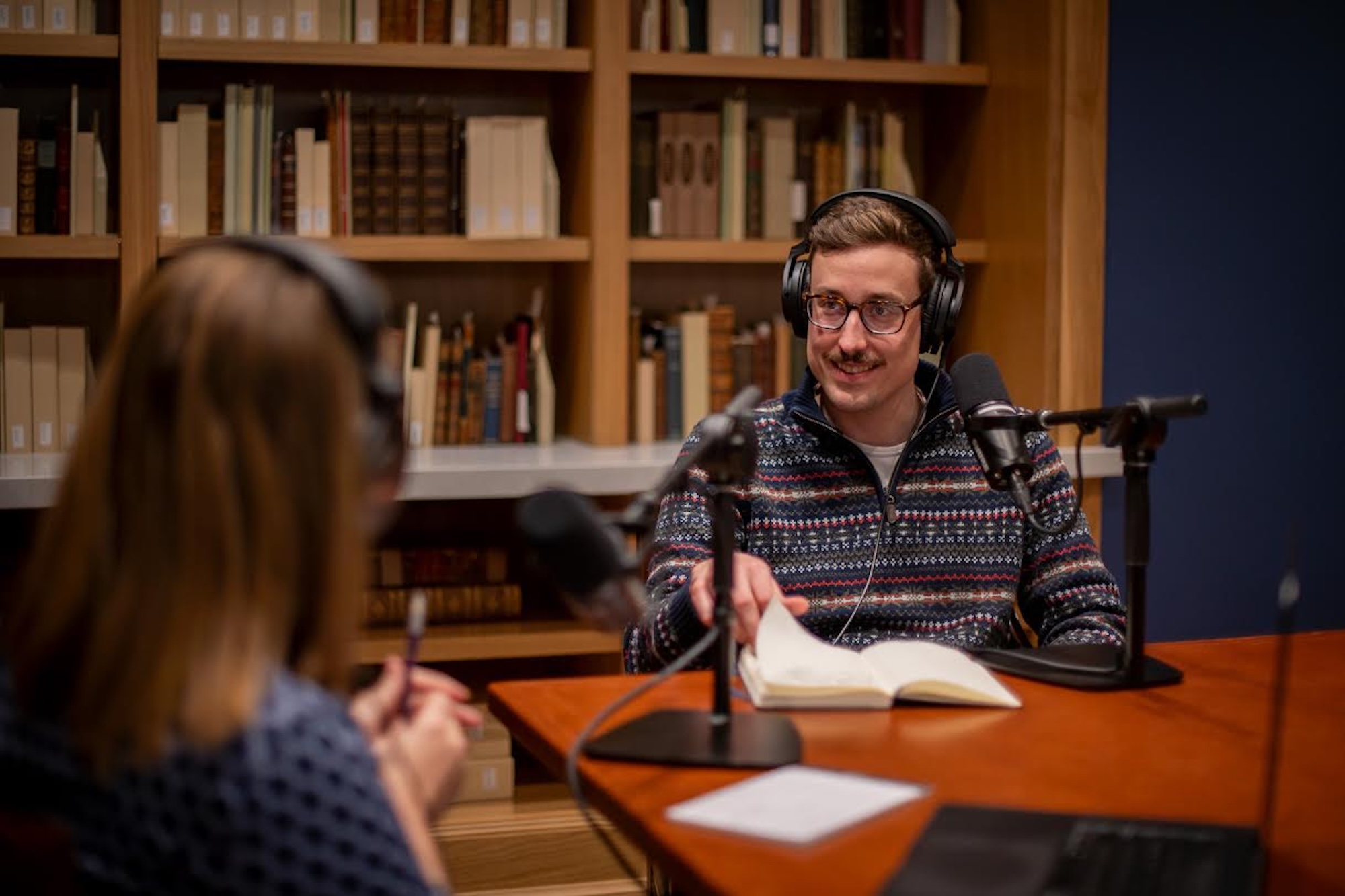
The Commonwealth Crossroads gathering is the exhibit coming to life for an evening, Lohman says. The Center For Cultural Vibrancy, a nonprofit organization that supports traditional artists and promotes cultural exchange and education. is organizing the affair with Lohman’s former Virginia Humanities collaborator David Bearinger.
“Part of what we’re doing is showcasing some of the arts and culture coming from some of these communities, particularly communities that have come to Virginia within, say, the last 50 years. The museum is going to feel somewhat like the Folklife area of the Folk Festival.” Musical performances will be featured in the VMHC’s Robins Family Performance Theatre.
To acknowledge the wave of Ethiopians settling in the Northern Virginia area, an Ethiopian coffee ceremony will be performed by Richmond resident Lemlem Gebray and her twin daughters Datta and Akeza Seyoum. “There was also a large wave of Vietnamese in Northern Virginia,” Lohman adds. Acknowledging that, the event will feature the music of the Nguyen Family Band, featuring Phuong Nguyen, a master of the Dan Bau, an ethereal single-stringed instrument often referred to as “the voice of Vietnam.”
“Phuong’s story, like many of these other artists, is a great story of perseverance,” says Florer. “Of her family leaving Vietnam from the turmoil of the Vietnam War and coming here as refugees, and then going on to great success through playing and retaining their traditional culture and music in the United States. It’s a great kind of encapsulation of many of these individuals and communities… for many, the United States is this place of refuge.” Nguyen’s story is also prominently represented in the “We The People” exhibit, he adds. “We have one of her Dan Baus on display and a recording of her playing it.”
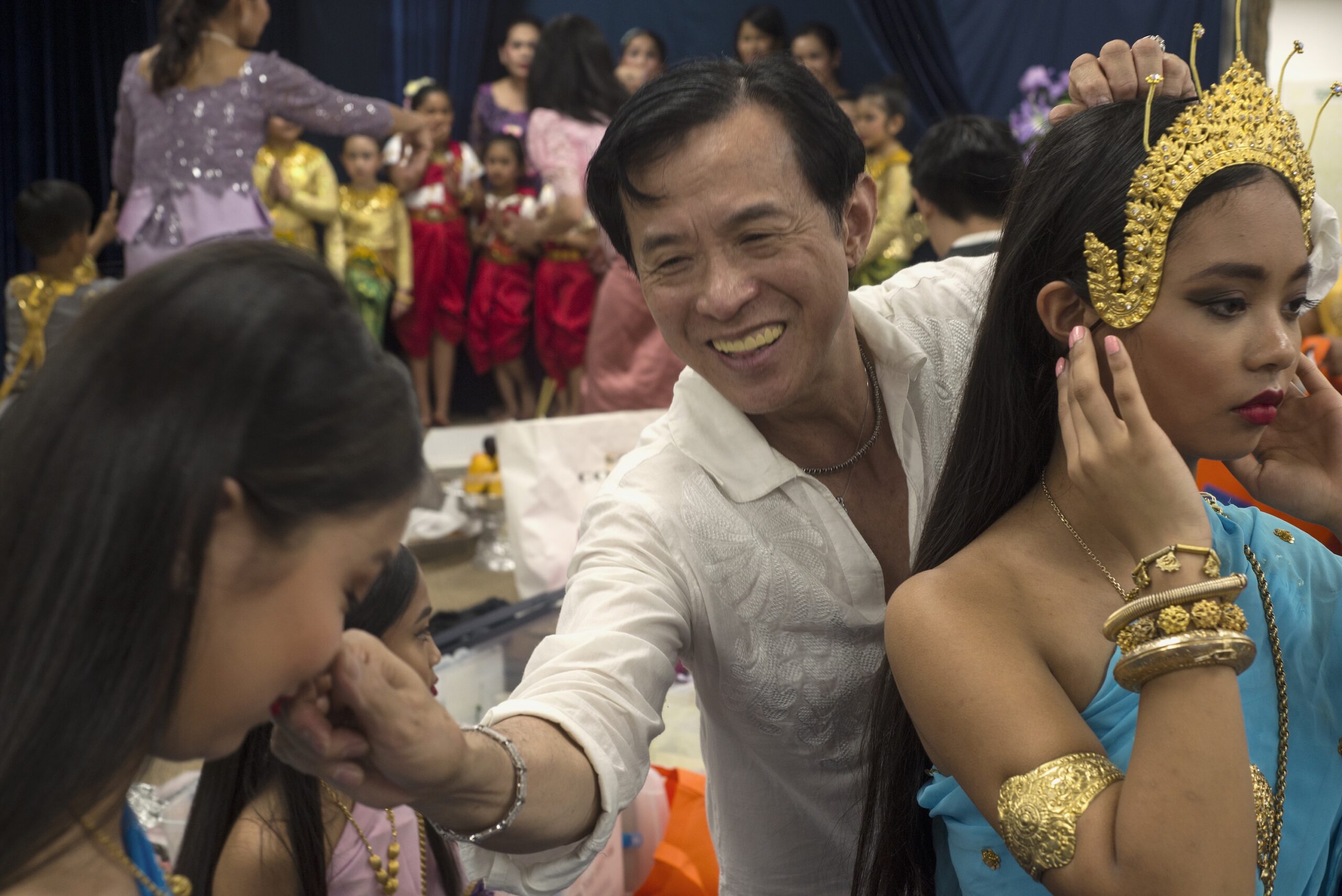
Northern Virginia has also seen an influx of Cambodians, Lohman says, so there will be a performance of traditional Cambodian dance as well as a display of handmade dance costumes by Sochietah Ung, the recipient of a 2024 National Heritage Fellowship. Virginia’s Mongolian immigrant community, mostly situated in Fairfax County, will also be represented with a display of beautiful Mongolian masks, and with an appearance by Mongolia’s Cultural Envoy Gankhuyag Natsag. His daughter Uyanga, a master of the Morin Khuur, a horsehead fiddle, will also perform.
The Richmond metro region, along with Fairfax and Prince William counties, has seen a wave of Guatemalan immigrants in recent years. Their culture will be represented by the construction of an Alfombra, a tradition native to the highlands of Guatemala. “It’s a large sawdust carpet,” says Lohman. “Imagine a mural that’s made on the ground using dyed sawdust and beans… they’re long. In the past, the artist Ubaldo Sanchez has made them the length of half a football field. This one’s not gonna be that big, but he’s gonna be making that with his partners on site.” The group Marimba Maya AWAL will also perform indigenous music using ancient Mayan instruments like handmade Marimbas and wooden drums.
“For some people who come to the United States, they feel this pressure to forget their lives from their past countries,” Florer says. “And some people choose to do that and are fine to do that. Others aren’t. They want to retain their culture and their identities. It’s not like an either/or. It’s this blend, this mix of adapting to a new place but still retaining the key components of who you are and your culture and your identity.”
The Bolivian immigrant experience is important to include, Lohman says. “There’s more Bolivians living in Arlington and now further out into places like Manassas than any other place besides Bolivia,” he says.
The event will start with a special welcoming ceremony performed in Quechua, a language indigenous to the Andes Mountains in Bolivia. “It’s our tradition before any special event or ceremony,” says Andean teacher and interpreter Julia Garcia. “In our communities, first we dedicate an offering to the goddess, a spirit of the majestic sacred mountains, and to ancestral gods [as they] watch over the city as guardians. And then there’s the third character, the Mother Earth, Pachamama who provides us with her bounty, fruits, so that we may continue surviving.”
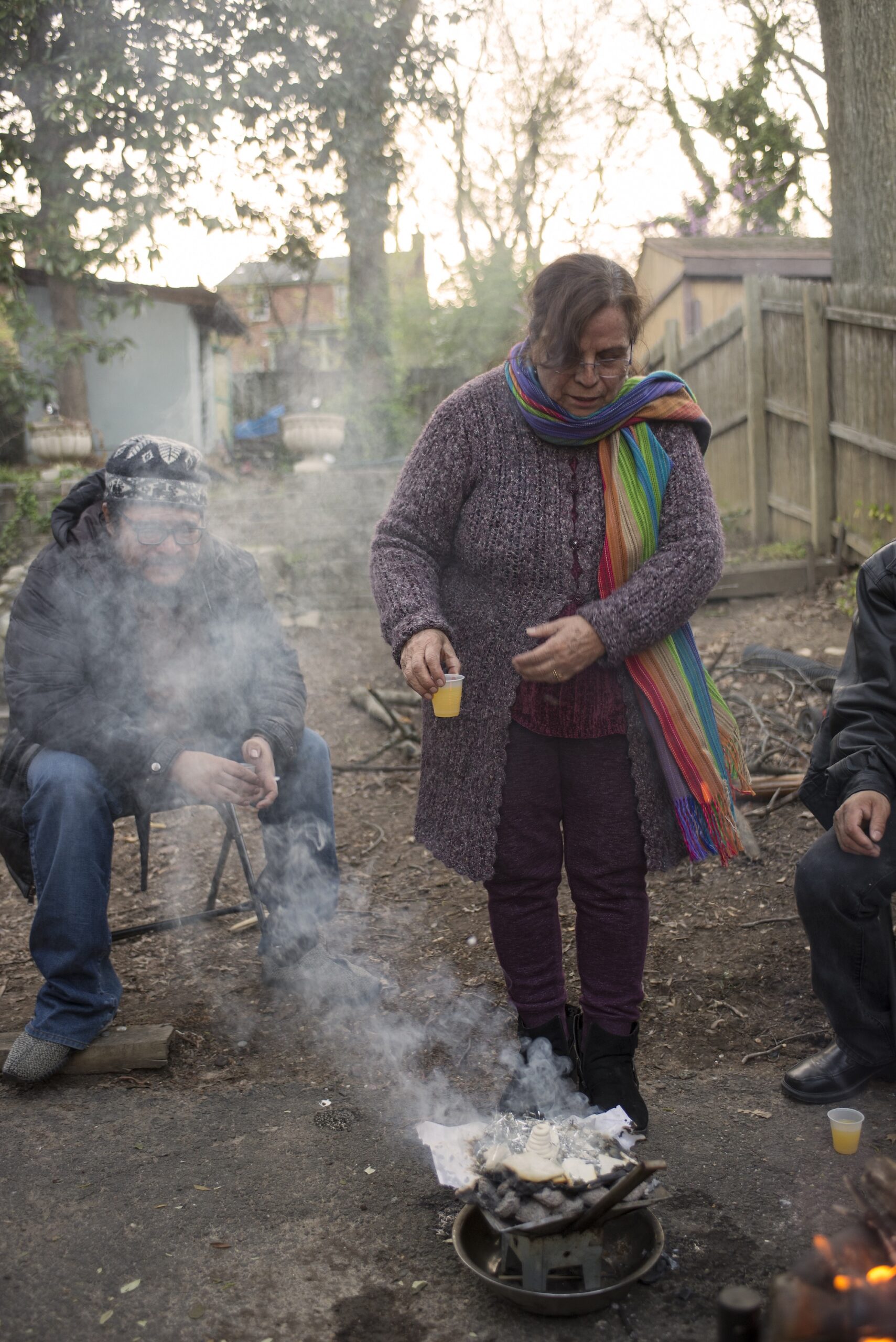
Photo by Pat Jarrett/Virginia Humanities
In addition to her welcoming, Garcia is also going to introduce several Andes dance traditions along with eight young dancers ranging in ages from 12 to 20. They will perform and teach traditional ceremonial steps including Suri-Sikuri, which she describes as “a symbolic Andean ostrich dance,” utilizing ornate feather crowns and music provided by handmade pan-pipes called Zamponas.
“Tinkus,” a traditional dance simulating combat, will also be performed. This symbolic dance is usually featured when different Andean towns come together to meet, Garcia says. “They meet because they want to live in equilibrio. Sometimes they have certain problems between them because of the land or the weather. But that day they solve the problems between them in order to live around the year nice and in harmony.”
It’s not lost on organizers that this grand celebration of America’s immigrants is occuring during a time when, politically, things are not so nice and in harmony. “I’m proud of the museum that they’re doing all of this,” says Lohman. “Museums are under a lot of scrutiny these days, and I think that this is bold of them to do an exhibit like this right now, and to showcase the art and culture coming from these communities.”
Garcia says that she, and other Bolivian-Americans, are feeling the heat of pervasive immigration crackdowns. “We are not performing as much as we used to do. We are more careful,” she says. “But we love this country. We think that it’s our country too. You know why? Because in our philosophy of thinking, the land is one. When we migrate, it’s like we are immigrating to another town. That’s why we respect, love, and show tribute and gratitude to the land and nature. When we make these ceremonies, we say, ‘this is our land too.'”
For the VMHC, this celebration of Virginia’s immigrants is a no-brainer, and totally in line with the rest of its celebration of America’s 250th Anniversary.
“We recognize the climate that we’re in,” says Florer. “But this exhibit has been an effort that we’ve been planning for five years, before the current [political climate]. And we’ve been intentional about including many different stories and voices. We’re taking a very human and individual look at the issue.”
Florer says that news headlines can often glob people together but the VMHC exhibit and the Commonwealth Conversations event will show immigrants as individuals that everybody can relate to. “You know, even if you yourself are not an immigrant or your family has not immigrated in any recent time period, these big ideas of leaving home, of being in an unfamiliar place, of identity, I think people can identify with. They’re kind of these universal human experiences.”
Virginia is what it is today because of immigrants, he says. “So this is an American story.”
“Commonwealth Crossroads: A Celebration of Virginia’s Immigrant Traditions” at Virginia Museum of History & Culture will be held on Saturday, March 28 from 5-8 p.m. $10 charge also includes admission to the “We the People: The World in Our Commonwealth” exhibit, which runs through Sept. 7. For more info, go here for tickets.