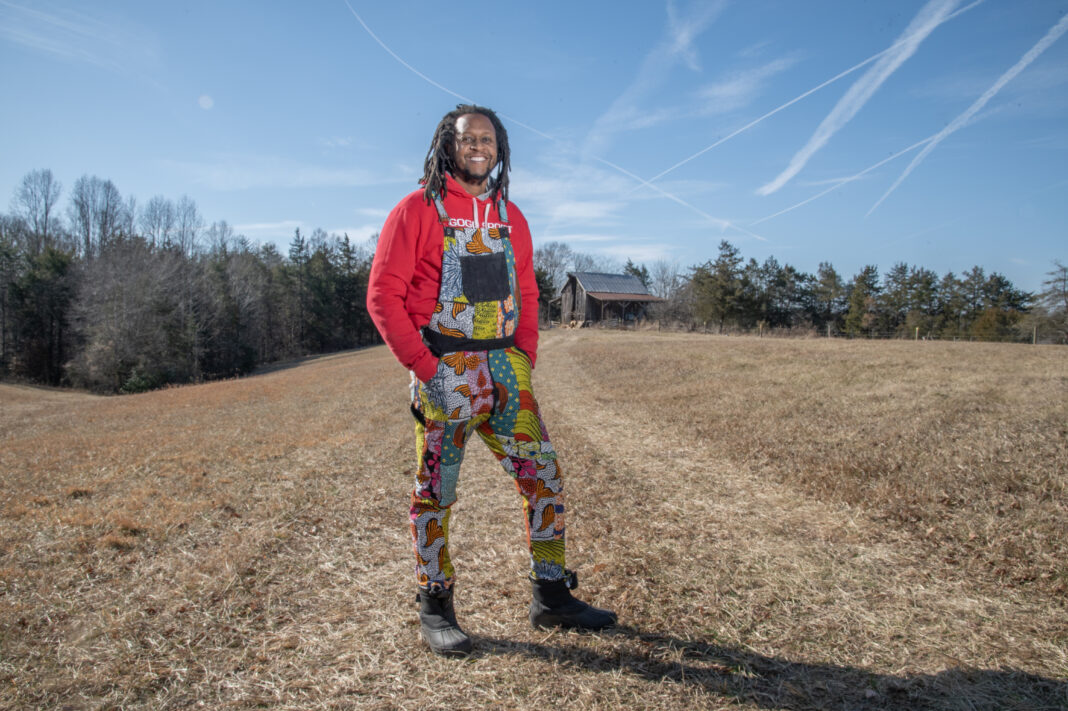
When Jerold E. Solomon, the star of the musical “Gabriel,” initially reached out to the founders of Atlas Partnership, it was for advice. Developed by Solomon with his cousin Foster Solomon and composer Ron Klipp, “Gabriel” had a well-received world premiere at Firehouse Theatre in 2022 and Solomon was pondering next steps.
“Bruce and Phil are people that I trust,” says Solomon. “They are producers that have been doing this kind of thing for a long time. I don’t really know that side of this industry so I decided to lean on their expertise.”
Bruce Miller and Phil Whiteway started the company that ultimately became Virginia Repertory Theater. When both men left Virginia Rep – Miller retired, Whiteway was removed from his position in a move that resulted in a lawsuit – they created Atlas along with Emily Cole-Jones, Virginia Rep’s former director of development.
The new nonprofit wasn’t founded as a production company but Atlas saw an opportunity that seemed too good to pass up.
“We’re about preserving local legacy assets, it’s part of our mission,” says Cole-Jones. These assets include older educational plays written by Miller like “Buffalo Soldier,” about a Richmonder who fought in the Spanish-American War, and “Walking the Line,” about opioid addiction.
“We consider [“Gabriel”] a true legacy asset: it’s written by three Richmonders, it’s a powerful story, it’s Virginia’s story. It’s an important project that we thought had legs.”
Subtitled “The True Story You Were Never Told,” the musical is based on an actual planned rebellion among enslaved Virginians in 1800, organized by Gabriel, who worked as a blacksmith on a large tobacco plantation in Henrico County. While the uprising was unsuccessful, the scope of the plan behind it prompted Virginia legislators to pass restrictions on the activities of free Black people in an effort to inhibit similar rebellions.
Atlas’s program director, Desirée Roots, became involved as the company committed to staging a revamped version of the musical. “Gabriel was born in 1776,” says Roots. “So this production gives us the opportunity to be part of the 250th anniversary of the Declaration of Independence and tell the story from all sides.”
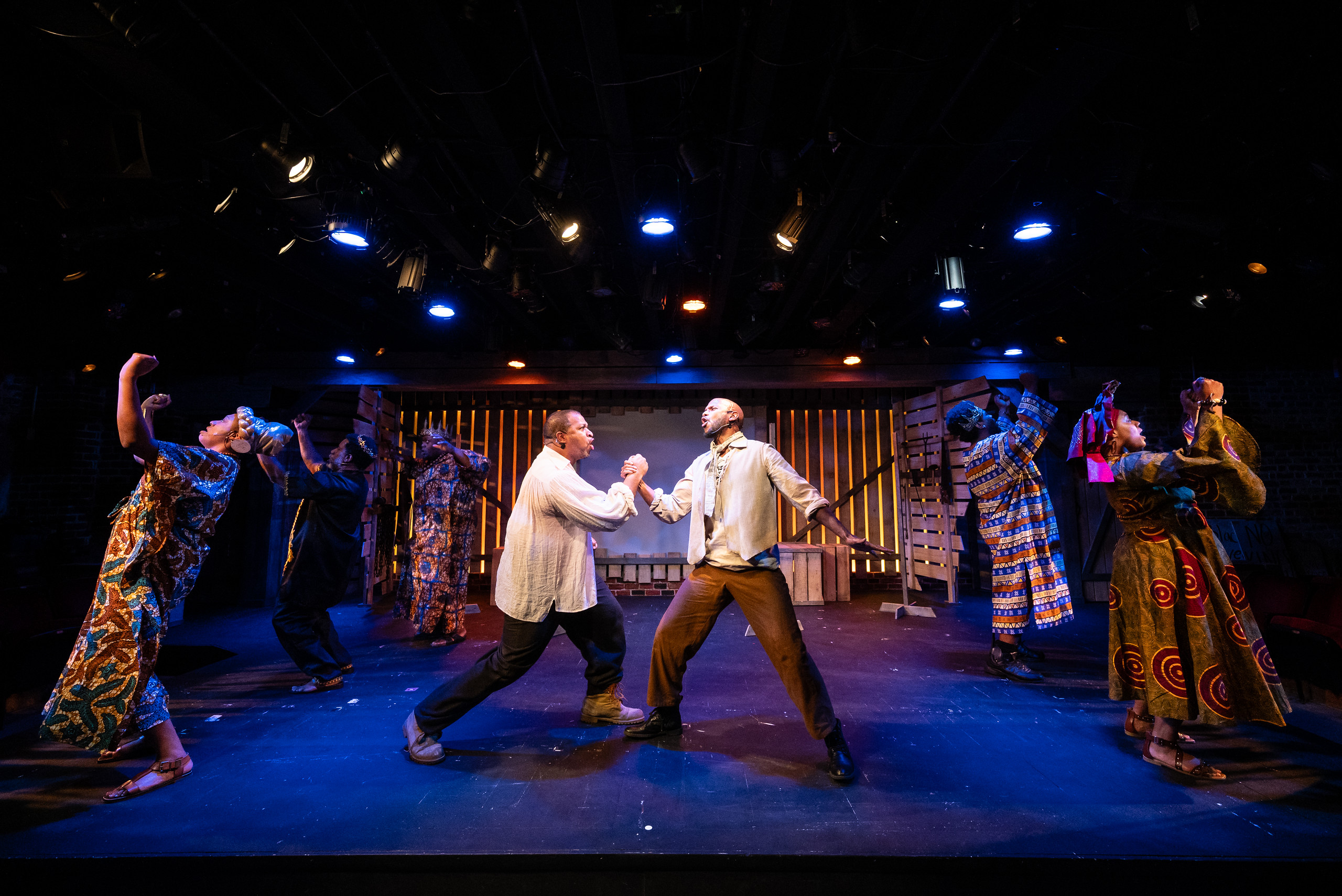
Since the 2022 staging, Solomon says the development team has been making improvements to “Gabriel” on a regular basis. “I always look for what’s the worst part of the show,” says Solomon. “Once Foster, Ron and I fix that part, now what’s the worst part of the show? We’ve been doing that over and over again over the last few years.”
So have the years of development work resulted in a better show?
I attended a preview performance and, besides some technical glitches likely to be worked out before opening night, the effort has paid off handsomely. While the 2022 version was already a very good show, the new production has both more depth and more breadth, expanding the role of one key character, injecting needed energy into what was formerly a problematic second act.
As with the original staging, the show brackets the historical drama with scenes of contemporary protesters, tying Gabriel’s fight for freedom to ongoing struggles for justice in America today.
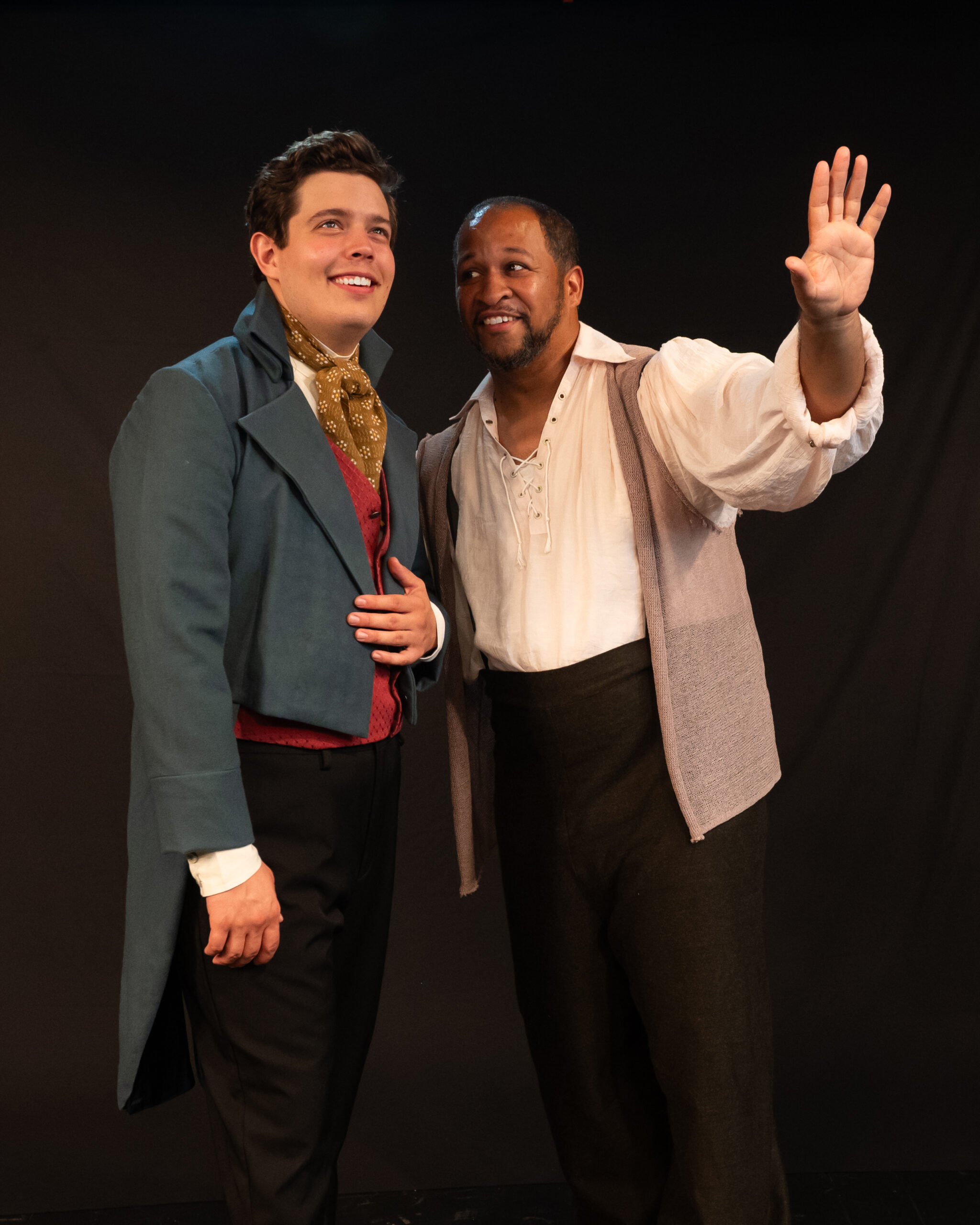
The core plot starts with an enslaved Gabriel (Solomon) looking forward to the freedom promised him by his plantation owner’s son, Thomas Prosser, Jr. (Joshua Mullins). But when his father dies, Thomas is quickly bullied by his fiance, Lucy (Rebekah Nogueire), into delaying Gabriel’s manumission.
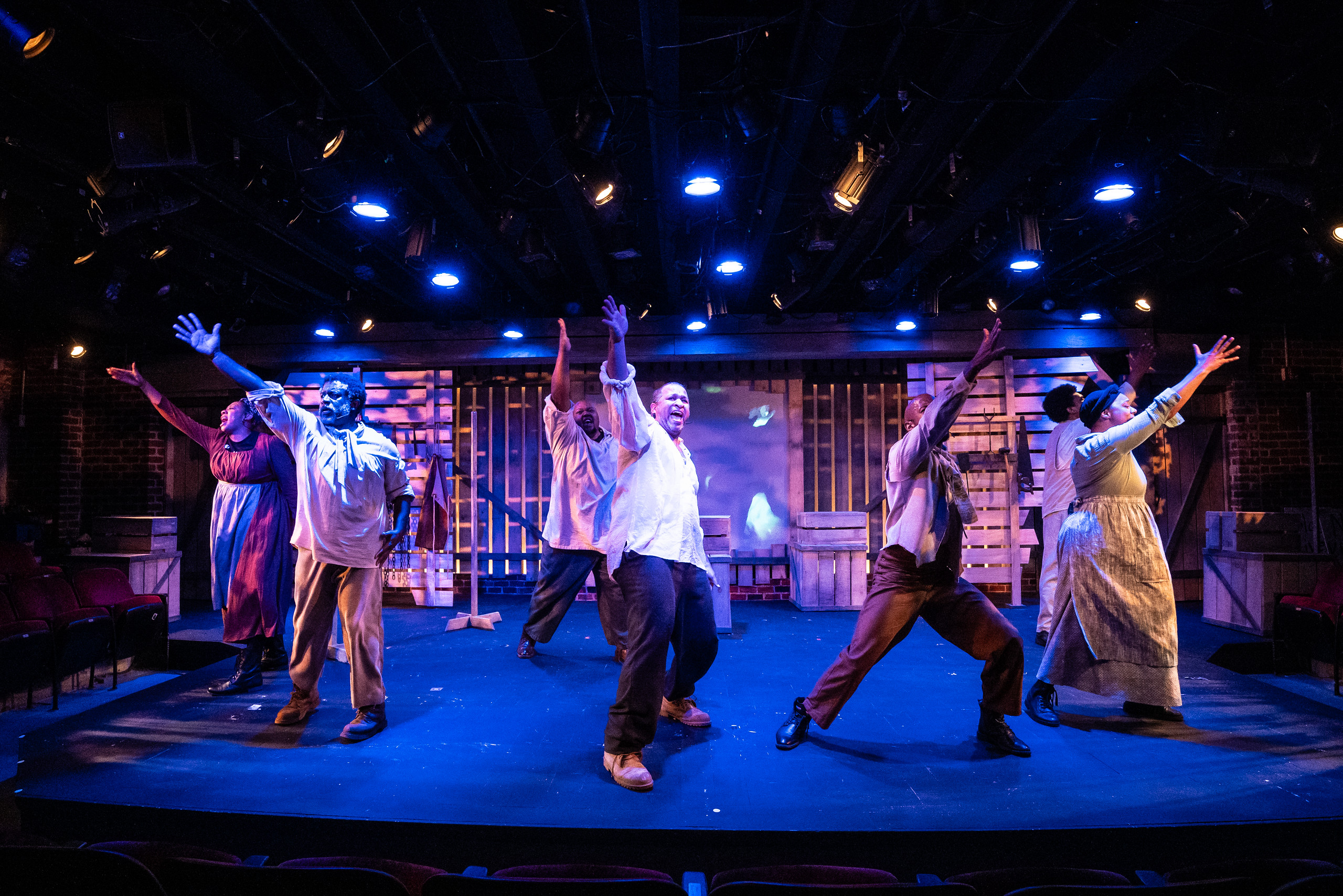
So begins a series of crushing betrayals by Thomas that prompts the generally passive Gabriel to consider drastic action. He’s further radicalized by Jack Ditcher (David Watkins), a firebrand he meets in jail who provides the basic idea for a statewide revolt.
The songs by Klipp and Solomon are consistently stirring with the strident “Death or Liberty” being the anthem people will be humming as they walk out of the theater. But some of the most affecting scenes are gentler moments between Gabriel and Nanny (a fantastic performance by Zakiyyah Jackson), guided with sensitivity by director Foster Solomon. Jackson’s voice matches Jerold Solomon’s for strength and dexterity, flowing smoothly from soft lilting phrases to booming belts.
The most revelatory change in this production is the expansion of the role played in the story by Virginia governor James Monroe, portrayed in a bravura performance by Robert Fix. Monroe personifies the fundamental hypocrisy of post-Revolution America, a country celebrating how all men are created equal while more than a million residents are enslaved.
The final face-off between Gabriel and Monroe puts a definitive button on a story that essentially rambled to a close before.
There are some minor nits to pick with the production: Leslie Owens-Harrington’s overly gestural choreography can be distracting and the one or two actors who aren’t vocal superstars stand out amongst a cast filled with them. But, overall, this production delivers on the promise of a more robust telling of this largely unknown story.
After “Gabriel” closes at Hanover Tavern, it will reopen early next year at the Perkinson Center in Chesterfield. Anyone who is interested in American history, likes a stirring musical or just appreciates a fascinating tale told well, should find the time to see it.
“Gabriel: The True Story You Were Never Told” runs through Nov. 9 at Hanover Tavern, 13181 Hanover Courthouse Road in Hanover. Tickets and information at https://www.atlaspartnership.org/projects/gabriel.