Lying on his back with a broken, outstretched arm, Jefferson Davis has seen better days.
For more than a century he stood atop a Monument Avenue pedestal at the intersection of a cross-street bearing his name. Now he appears as he did the night he was toppled by protesters in June 2020: overthrown, broken, and covered in pink and yellow paint.
The Jefferson Davis statue was the first Confederate monument taken down in Richmond after George Floyd’s murder by Minneapolis police. Today, it is the centerpiece of the first exhibit visitors encounter upon entering the Valentine, the Richmond museum dedicated to collecting, preserving and interpreting the city’s history.
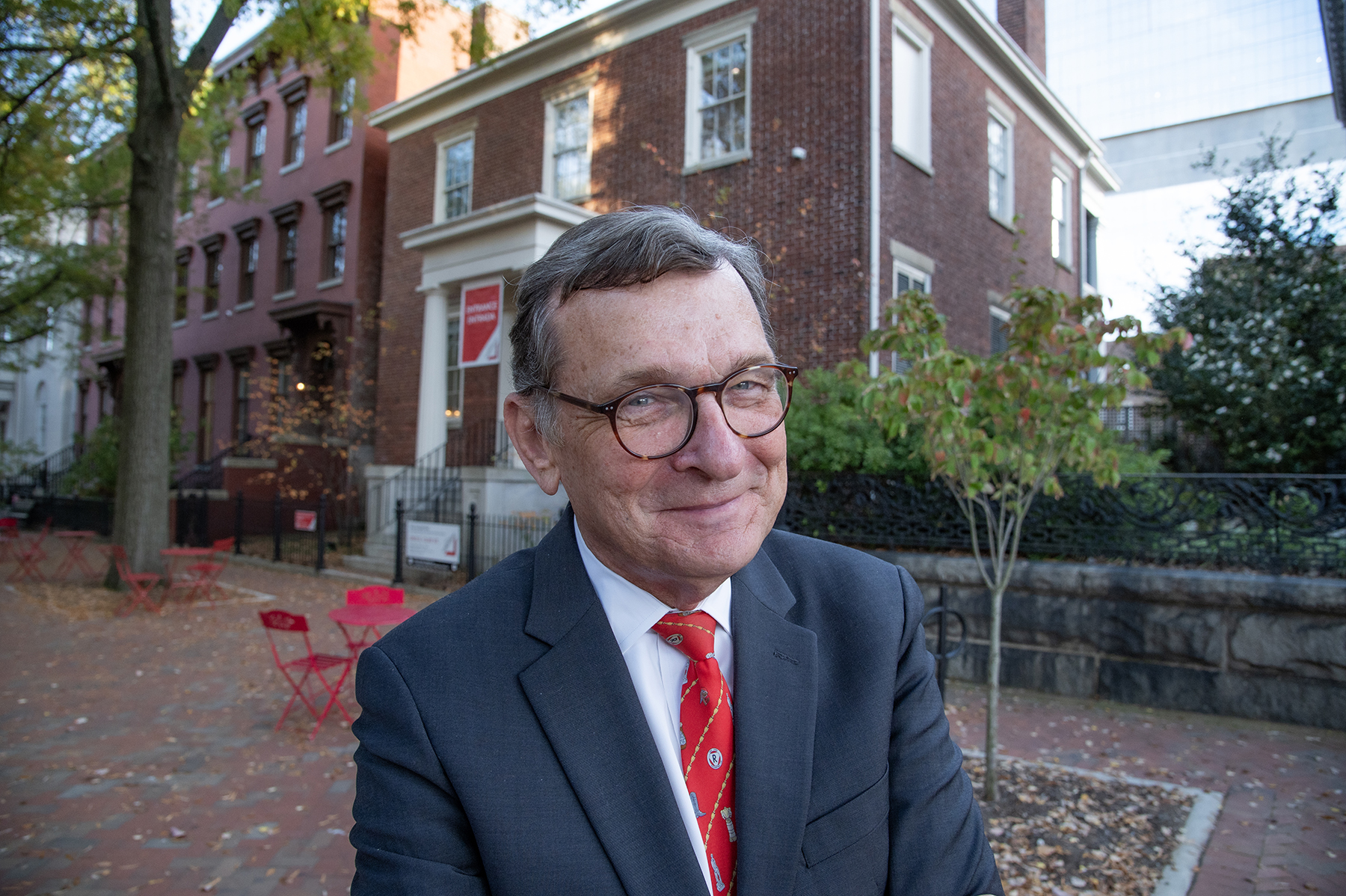
This monument to the first and only president of the Confederate States of America wouldn’t be here without the work of Bill Martin. In fact, the Valentine itself wouldn’t be here without Bill Martin.
Friendly, funny, sharp and always nattily dressed, Martin has devoted himself to the Valentine for three decades, saving the museum from financial ruin, then revising and reshaping it to become an esteemed institution that both reflects Richmond and continuously pushes it forward. Under his direction, the Valentine has held community conversations, created exhibitions — including one that unpacks Lost Cause ideology and Richmond’s place in creating it — and fostered public dialogue to shepherd the River City to a better tomorrow.
In April, the museum marked its 125th anniversary with a series of events celebrating it and Richmond’s history.
For these reasons, Style Weekly has named Bill Martin as its 2024 Richmonder of the Year.
Martin’s story begins in Brandy Station, a tiny, unincorporated community in Culpeper County.
Growing up there, conversations about the Civil War were unavoidable; as many a history buff will tell you, the Battle of Brandy Station was the largest calvary clash to take place on American soil. Gardening in Martin’s childhood backyard inevitably meant running into Minié balls and other artifacts from the conflict.
Martin says his parents and grandmother always made sure he had access to the tools he needed to succeed. He credits them with instilling a love of history.
“I knew the Smithsonian Institution backwards and forwards,” he says, noting Culpeper’s proximity to Washington, D.C. “Every battlefield in the country, I believe, we must have gone to. I didn’t have any choice but to be interested in the subject.”
After earning a bachelor’s in urban studies and a master’s in public administration from Virginia Tech, Martin was hired by the Okefenokee Heritage Center and Southern Forest World in Waycross, Georgia, places where he learned the importance of engaging a community with its history. He followed that with a stint as the director of the Jacksonville Arts and Sciences Museum, a move he says “was a misfit from the beginning.”
In 1987, he landed in Petersburg as the director of the city’s museums and tourism. Martin fell in love with the Cockade City, but after a devastating tornado hit downtown on Aug. 6, 1993, leaving behind 12 miles of destruction, he says things were never quite the same again.
Soon after the cyclone, Martin was recruited by the Valentine in 1994 as its marketing director. It wasn’t long before he realized how much trouble the institution was in.
No one doubts the ambition of Valentine Riverside.
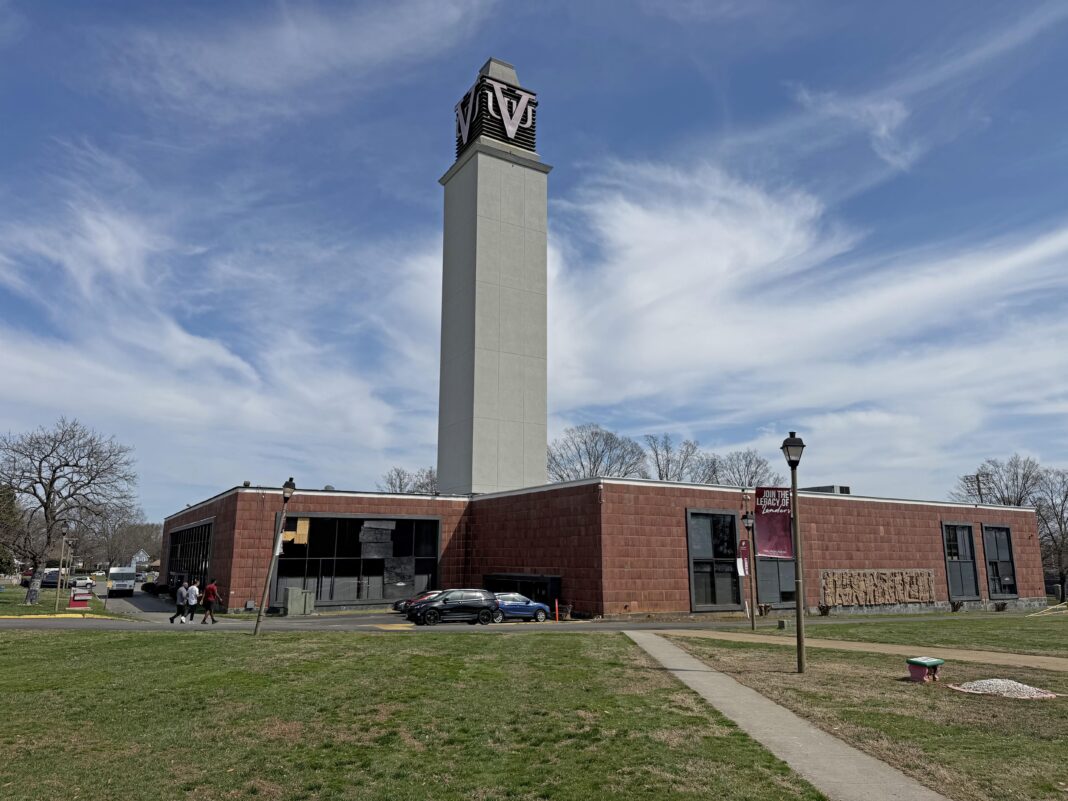
Opened in 1994 as an extension of the museum, Valentine Riverside was an attempt to retell a broad range of Richmond stories, including its industrial history and the eve of its fall to the Union in 1865.
To tell these stories, the Valentine took over the old Tredegar Iron Works. Live reenactors walked the grounds engaging with visitors. LCD screens located under windows showed what those same views looked like during different eras of Richmond’s history. At night, a million-dollar open air sound-and-light show took place against the industrial ruins.
It was an “if you build it, they will come” moment. They didn’t. Valentine Riverside closed just 16 months after it opened.
“That expansion was financially debilitating to the Valentine,” Martin explains. “I was here three months when it became clear that the financial situation of the organization was pretty critical, and that for the Valentine to survive, the board was going to have to make some decisions about what the place would look like going forward.”
Martin was named acting director. The Valentine substantially reduced its footprint and mission, shutting down the Riverside site and consolidating operations back at its Court End headquarters.
“Talk about being in the worst possible position,” says Christy Coleman, executive director of the Jamestown-Yorktown Foundation, who served as a consultant to Valentine Riverside. “Bill just worked it. He saved the Valentine.”
Meg Hughes, the Valentine’s deputy director of collections, agrees.
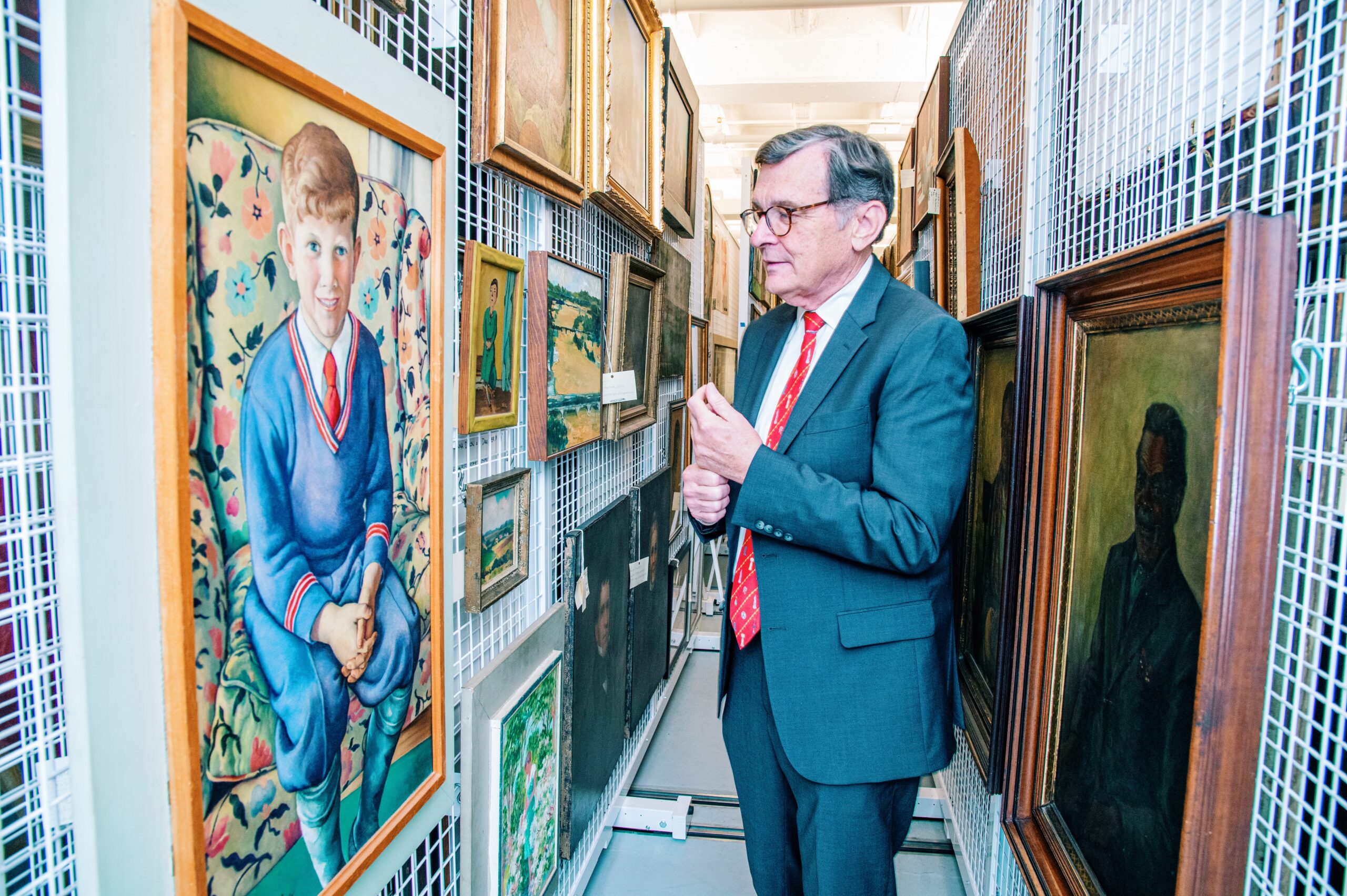
“He really did some remarkable work in those early years to make sure that this place continued to exist,” says Hughes, who has worked for the Valentine for 20 years. “If you look at when he started to where we are now, it’s astonishing. It shows a tremendous dedication and energy to have this really long vision of what the museum could be.”
Slowly, over years, Martin was able to right the ship.
While the Valentine has worked to challenge dated ideas about history under Martin’s watch, he swears there’s precedent at the museum.
Since 1902, the Valentine has provided free admission to all Richmond Public Schools students. Until the 1950s, it was one of the few public institutions in the city that was open to Black Richmonders.
Martin also points to groundbreaking exhibitions of Black artists in the 1930s and about Richmond’s Jewish community in the 1950s as examples of the Valentine using its space to challenge contemporary society.
The 2015 mass shooting at a Black church in Charleston, South Carolina, reaffirmed the Valentine’s commitment to a broader narrative about the meaning of the Civil War and the Lost Cause. The shooter was a 21-year-old white supremacist who had posted an image of the Confederate flag on his website. It was then that the Valentine commissioned a survey of the city’s Confederate monuments.
After the 2017 white supremacist Unite the Right Rally took place in Charlottesville, the Valentine created curriculum for classrooms to discuss it. In 2018, the Valentine launched an exhibition about the history of Richmond’s monuments in partnership with VCUarts and Storefront for Community Design. The following year, it hosted an exhibit that asked architects and urban planners to reimagine what Monument Avenue could look like.
“For museums to be useful, we all need to be asking hard questions about our history,” Martin says. “You’re not learning unless you’re just a little bit uncomfortable.”
The city’s monument to Jefferson Davis had been on the Valentine’s radar since 2018 when the Monument Avenue Commission recommended its removal. When protesters pulled the monument down from its pedestal in June 2020, the Valentine sprang into action to acquire it.
“It is not exhibited separately as if it’s some odd thing,” Martin says. “The statue is exhibited as a part of our core exhibition. It’s part of a section on what do we value and how do we remember.”
When it came time to redo the Valentine Studio, the place where sculptor Edward Valentine once created statuary that idolized the Lost Cause, the museum conducted surveys, focus groups, programming and conversations to rethink the space. It became “Sculpting History at the Valentine Studio,” an exhibit that unpacks Lost Cause ideology to reveal its insidious nature.
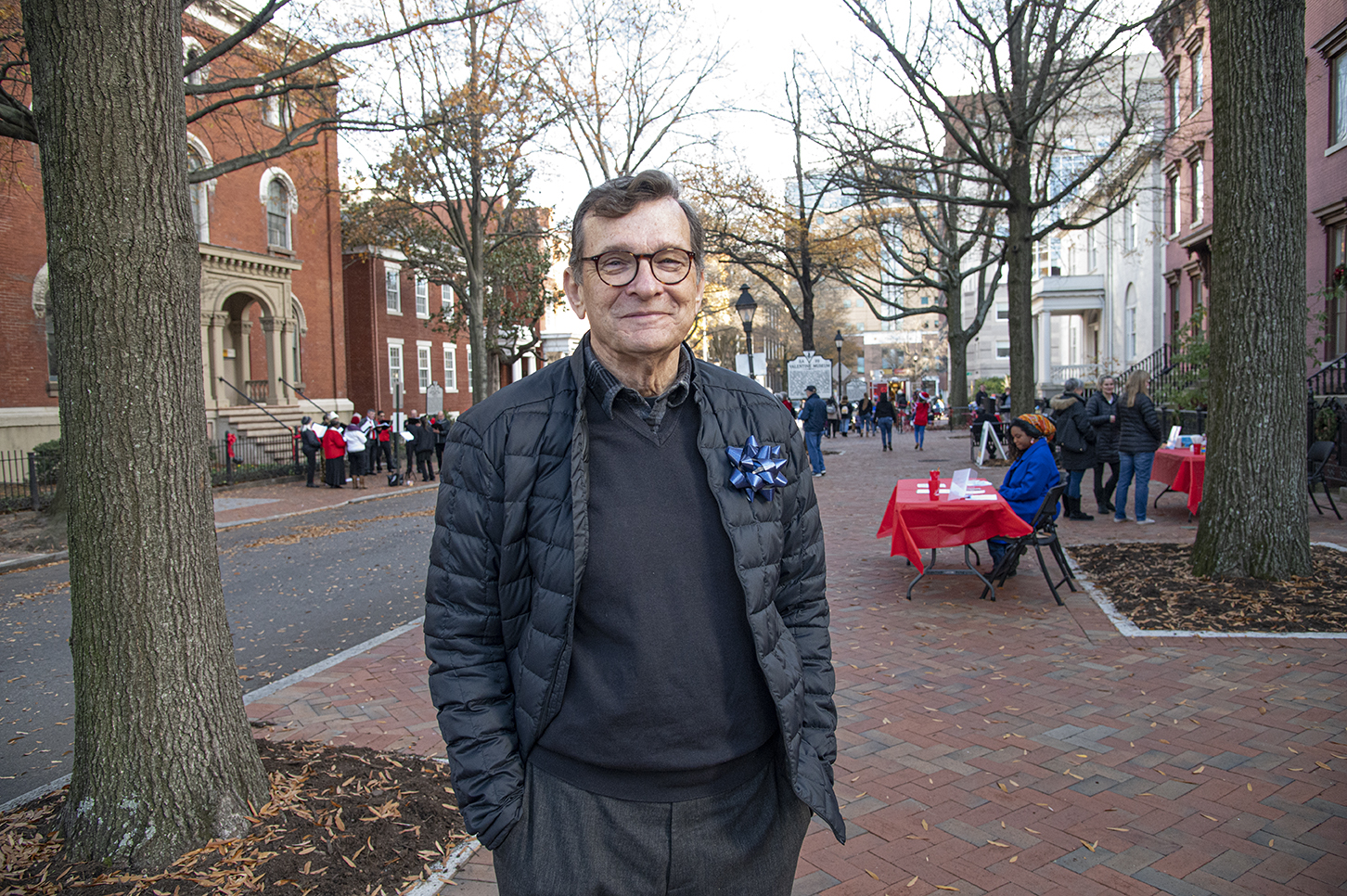
Coleman lauds the efforts of Martin and the Valentine on these fronts.
“They are doing exceptional exhibitions and work, but they’re doing it for the community, and they are listening to the needs of the community,” she says. “What he’s done is just ballsy and smart, and it’s been well received.”
Martin’s prominence in community discussions about the monuments has occasionally elicited hate mail and death threats. His response? To reach out to his antagonists and invite them to lunch.
“You can’t do history and sit on the sidelines,” he explains, “because you are history at that point.”
Martin’s efforts to coordinate and foster relations between the city’s museum directors has earned him a nickname: The Museum Dean.
“He’s always been so gracious,” Coleman says. “Any time there is a new person coming into the community in a leadership role, Bill is one of the first calls you get, offering a friendly hand, offering to introduce you to people.”
That included Coleman when she returned to Richmond in 2008 to lead the American Civil War Center, becoming the first, and perhaps still only, Black woman to lead an institution dedicated to that conflict.
Shakia Gullette Warren, who became the executive director of the Black History Museum and Cultural Center of Virginia (BHMVA) last year, feels similarly about Martin.
“He has been a welcoming and supportive partner to me individually as well as to BHMVA. He exemplifies the courage it takes to be a truth teller,” she says. “He truly embodies what it means to be a community advocate.”
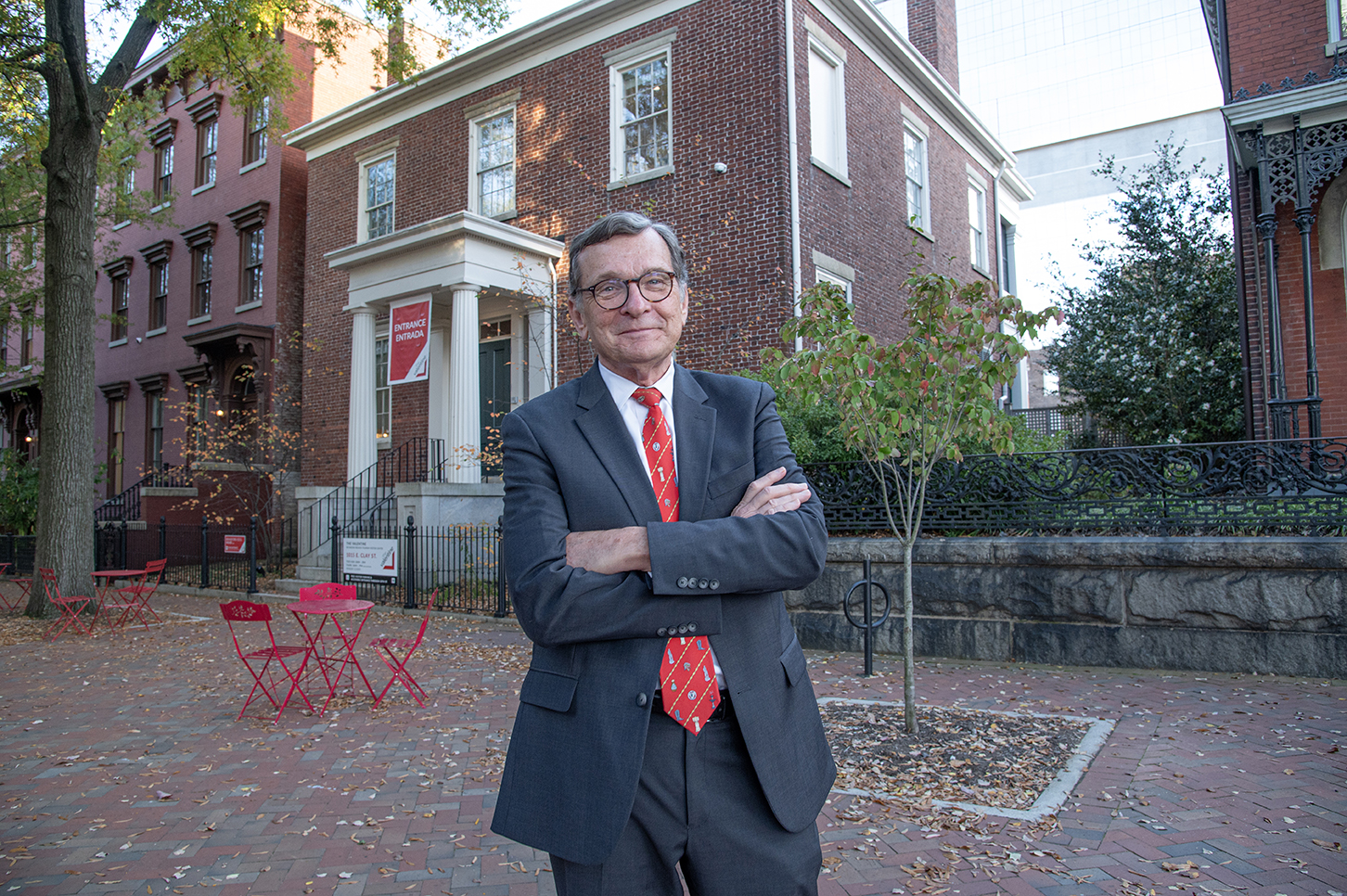
Colleagues say Martin stands apart for his empathy, sense of service, collaborative nature, intelligence and humor.
“Bill has a huge heart,” says Christina Keyser Vida, the Elise H. Wright Curator of General Collections at the Valentine. “Many visitors to the Valentine are often surprised that Bill will be out in the galleries and strike up a conversation. All of a sudden, they’re scooped up and taken on a behind-the-scenes tour with the director.”
Martin’s care for the institution extends to its staff. Even those on the lowest rung of the totem pole make better than minimum wage; everyone, including part-time staff, accrues paid time off at the same rate.
Cleaning up after a recent event, Vida was impressed when Martin took a bag of trash out of her hand and said he would deposit it in the dumpster for her. When the pandemic hit, Martin ensured that all staff remained paid.
“There is nothing like coming to work at a place where you are valued,” Vida says. “That makes us want to give back more. It makes sure that we reinvest in the Valentine Museum. We all see ourselves as ambassadors for Richmond history.”
Fifteen years ago, the Valentine crafted a master plan for its future. Nearly all of those goals, including a complete renovation of the Valentine’s galleries, expanding its collections space and building the endowment to support the organization, have been realized. A recent inventory of the Valentine’s 1.6 million objects means they know what they have in their collection and that they can make space for what they don’t: “There’s room for the future,” Martin says.
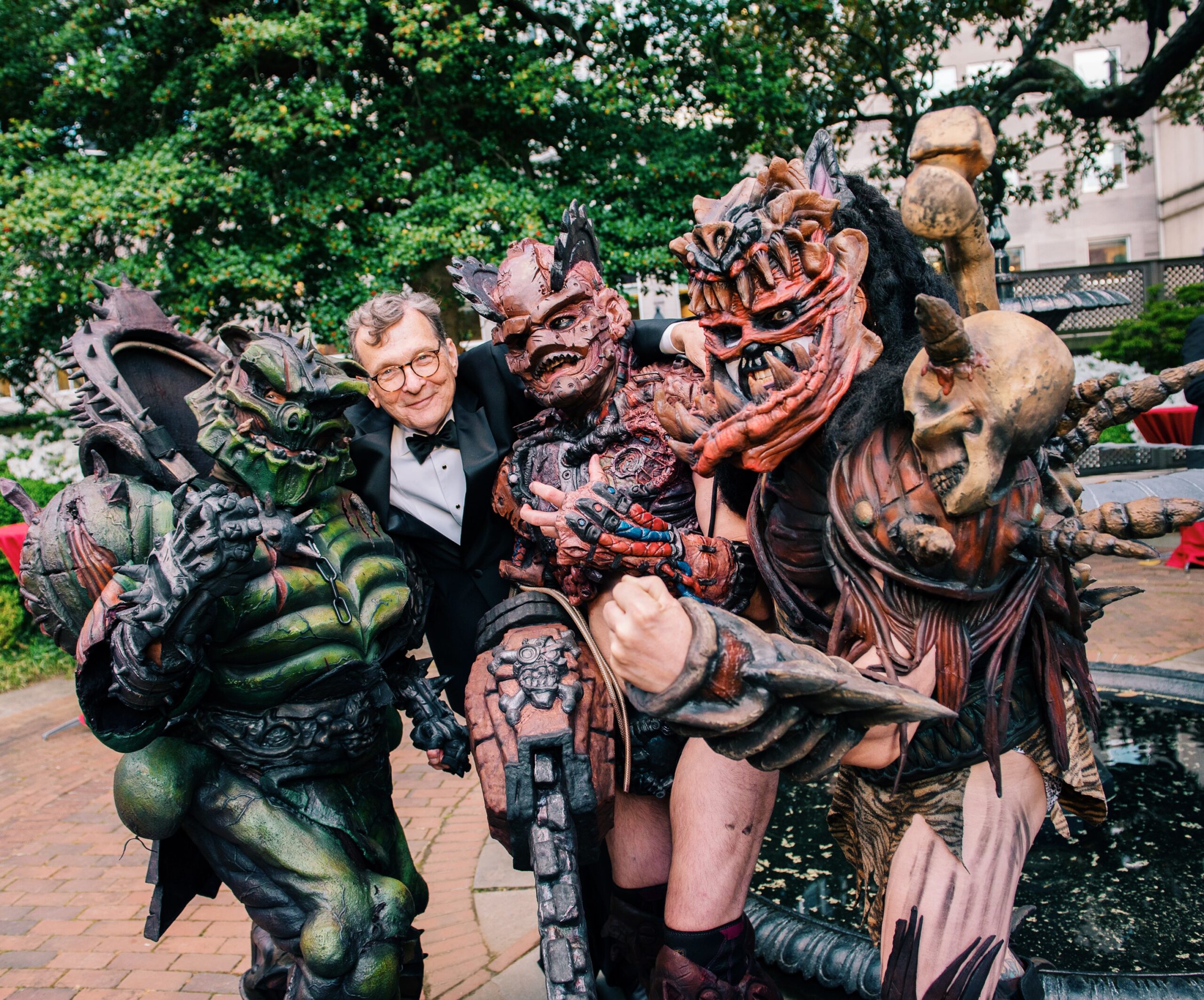
In April, the Valentine celebrated its 125th year of operations with a gala. In October, Martin quietly observed his 30th anniversary with the institution.
As he sees it, there’s still plenty of work to be done: a restoration and reinterpretation of the Valentine’s Wickham House; a redesign of the Valentine Garden; further engagement with Richmond Public Schools; focusing efforts on the First Freedom Center at Shockoe Slip; and helping Richmond reimagine its downtown and celebrate its unique history.
Thirty years into his time at the Valentine, Martin doesn’t show any signs of slowing down and says he’s not ready to retire.
“One of our founders said, ‘A finished museum is a dead one,’ and I’m not finished yet. Nor is the museum. Nor is the city,” Martin says. “I hope, when it’s all done, that we’ve done some good work. Am I done yet? We’ve got lots more to do.”